The seductive aspects and the worrying points of Trump’s ‘big and beautiful’ bill according to the Senate
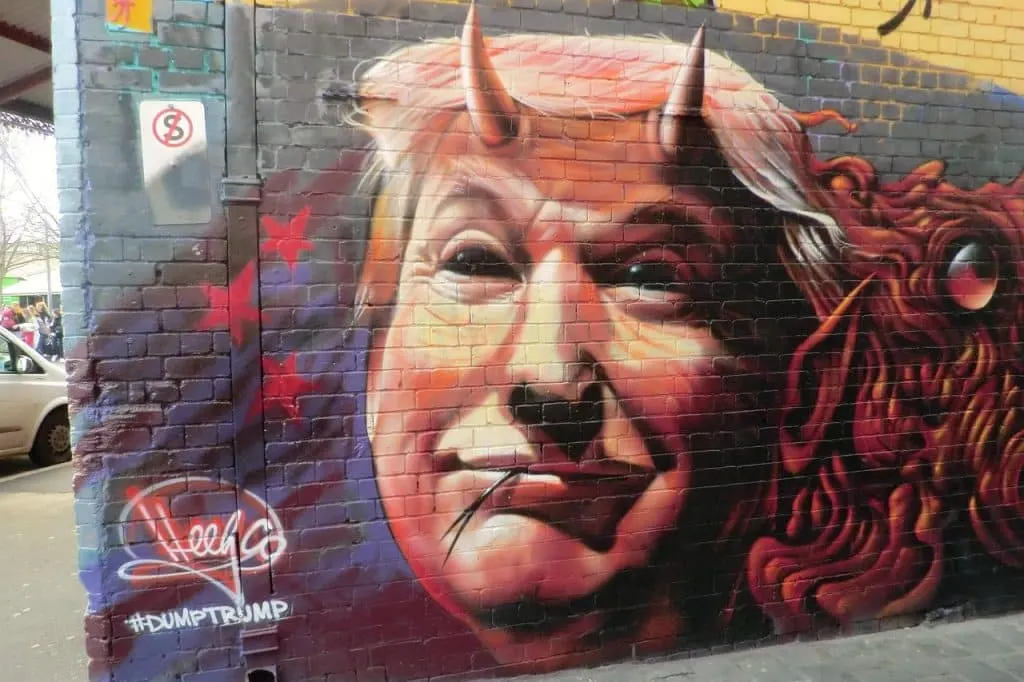
Trump’s « big and beautiful » bill, recently passed by the Senate, is generating a mixture of enthusiasm and concern within the business and political communities. On paper, this bill promises to expand tax breaks for businesses while also initiating far-reaching reforms affecting key areas such as healthcare and energy. However, the areas of concern, including Medicaid cuts and the implications of new taxes, are at the heart of the debate. Let’s explore these various dimensions shaping the current economic and political landscape.
The Countless Benefits for the Business Community
At the heart of this bill are deceptively attractive reforms for the corporate sector. Indeed, one of the main attractions of the bill is the Senate’s desire to make certain tax deductions for businesses permanent. These measures include the ability to deduct interest payments as well as capital investments, a point that has been widely welcomed by business stakeholders. The press conference attended by Donald Trump demonstrates the importance attached to these measures, which, according to many analysts, could, in the long term, foster the growth of SMEs and encourage innovation.
Sectors related to clean energy are also at the center of these discussions. The bill grants more flexibility to companies engaged in this field, allowing them to adapt more gradually to the reduction in tax credits introduced under the Biden administration. It is likely that these changes will provide industry players with the resources needed to navigate this change while respecting environmental objectives: a delicate balance between profitability and social responsibility.
Healthcare
Increased Pressure on Service Providers
It is worth considering how these measures could transform the overall American economic landscape. Tax deductions, for example, are likely to free up cash for businesses, which could be reinvested in innovation, research, and development. However, the relaxation of tax credits for clean energy companies could also be seen as a step backward from previous environmental commitments. This underscores the dilemma facing policymakers: how to balance short-term economic interests with long-term goals of environmental equity and public health?
The Alarms Surrounding the Bill: Cuts and Additional Taxes
Beyond the bill’s attractive aspects, concerns are emerging on certain crucial points. One of the most controversial measures is the continuation of the « revenge tax. » This term refers to duties that the government could impose on foreign companies. This tax was included in the House version, and while it is softened in the Senate bill, it raises concerns about its implications for foreign investment.
The concern lies in the potential chilling effect of this measure. As businesses attempt to recover from the pandemic, uncertainty related to unexpected taxes could hamper the foreign investment needed to revive the economy. Financial market participants are also concerned about the potential impact on competitive growth, which could have a significant impact on the economy.
What this means for the US economy
Staffing Shortages and Increased Costs
These measures reveal a paradigm shift in the support provided to the most vulnerable segments of society. While one might expect increased support during a time of crisis, the Senate’s decisions raise questions about current sociopolitical priorities. To what extent are economic interests willing to sacrifice the protection of vulnerable populations? The complexity of this decision will require an informed and engaging public debate to assess the long-term effects on society.
Long-Term Impact on Economic Policy
The changes made by the « big and beautiful » bill could define the American economic landscape for years to come. Policy choices, whether motivated by the desire to stimulate growth or maximize tax revenue, will have profound repercussions for the country’s economic structure. Debates surrounding Medicaid cuts and revenge taxes suggest a possible shift toward priorities more focused on business than on collective well-being.
This shift away from social concerns raises questions about the future of public policy. Political leaders, particularly those in the Senate, must navigate a delicate balance between economic interests and social responsibilities. Current legislation could indeed become a focal point around which upcoming elections, both at the federal and local levels, will crystallize.
Forecasts and Trend Analysis
- As part of a forward-looking analysis, it is important to consider how these laws will influence investment behavior and corporate strategy over the long term. Companies will need to double their vigilance in the face of regulatory fluctuations. Strategic changes should include:
- Assessing Risks Associated with New Taxes
- Anticipating Changes in Public Funding
Adapting Operations to Medicaid Cuts
Reducing Reliance on Medicaid
The potential implications of these decisions will be closely monitored by economic analysts and policymakers, who will need to weigh the long-term impacts on the country’s economic and social health. These questions have become particularly critical as the country enters a new era of global competitiveness.
Taking Stock of the Sociopolitical Impacts: Toward a New Paradigm?
As the bill continues to generate debate and controversy, it is worth assessing its impact on American society as a whole. The legislation could well accelerate a broader trend toward economic liberalism, while putting pressure on those who rely on social programs. In reality, this is not simply a matter of economics, but a societal choice that redefines expectations regarding the role of government.
The dynamics of this reform will affect not only the economic landscape, but also public morale. In this regard, the tension between economic ambitions and the basic needs of the population will require constant attention from elected officials. It could also usher in a new political paradigm in which citizens would be called upon to make their voices heard more widely regarding the redistribution of resources.
Summary of socio-political issues
Awareness Campaigns
Read next
 Business
According to a leaked memo, TikTok’s new American owners will not control essential aspects of the business.
The Stakes of TikTok’s Management by American Owners The recent agreement to create an American joint venture around Tik
 Business
The worrying consequences of Donald Trump on the German economy
The re-election of Donald Trump is causing considerable concern in Germany. This relatively prosperous country is facing
 Business
Who is the Trump rally shooter who appeared in a 2022 BlackRock ad according to the company?
In 2022, an advertisement from the company BlackRock attracted attention by featuring a man who participated in Donald T
 Business
La police de Clovis intensifie la lutte contre la conduite en état d’ivresse avec des points de contrôle durant la saison estivale mouvementée
La conduite en état d’ivresse : un défi majeur pour la sécurité routière La conduite en état d’ivresse reste l’un des dé