What is the cost of doing business under the Trump administration?
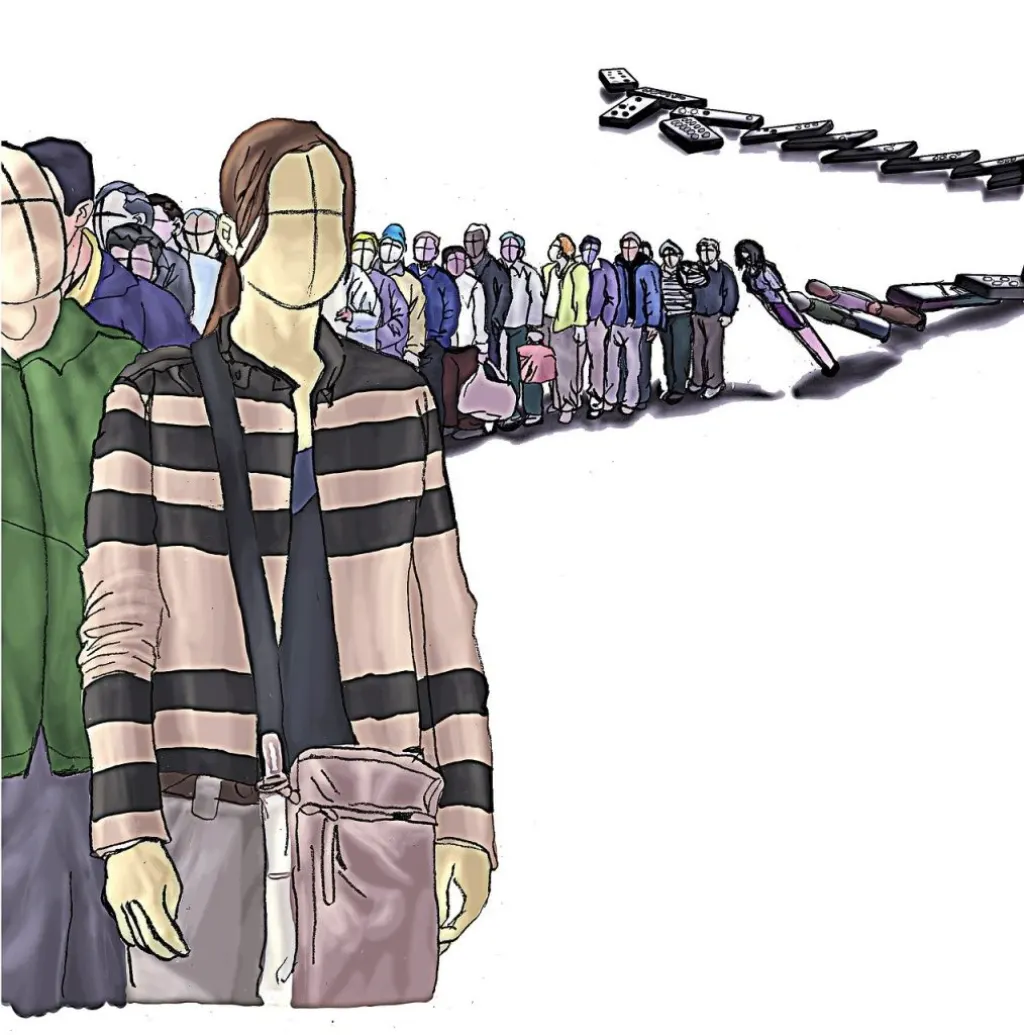
The Trump era was marked by controversial economic measures, notably the imposition of high tariffs. These aimed to repatriate businesses to American soil. However, this strategy often generated uncertainty for businesses while disrupting the global economy. Multinationals now need insurance against political risks, even in the United States. This unprecedented situation illustrates the volatility of Trumpian policies and their unintended consequences on international trade. The economic climate has been further disrupted by the administration’s massive tariffs on various nations, leading to growing instability for American and international economic players.
In this context, brands such as Volvo and Renault are observing tariff trends to adjust their business strategies. The volatility of tariffs is also impacting giants such as Air France and Peugeot, which are adapting their sourcing and pricing to remain competitive. Industries must navigate these constant changes while attempting to mitigate the impact on their customers and partners. Impact of Tariffs Under Trump Trump has repeatedly announced tariffs, particularly against Canada, Mexico, and China. This policy, used as a diplomatic weapon, aimed to penalize these countries for various reasons, such as illegal immigration or drug trafficking. For companies like L’Oréal and Danone, the constant fluctuation of tariffs complicates the import of essential products, impacting production costs and ultimately consumers. Discover the economic impact of current dynamics, from market trends to public policies, and understand how these factors influence businesses, employment, and growth. In-depth analysis and insightful perspectives on today’s economy. Effects on International Relations Trump’s tariffs have often been perceived as punitive rather than protective tools. They aimed to correct perceived trade deficits while seeking to revive American industry. However, these measures led to increased tensions with America’s traditional trading partners, generating economic uncertainty that affected not only businesses but also financial markets. Moreover, they led to retaliation from some countries, making the business environment more hostile. Consequences for the American Economy **While the Trump administration’s intentions were to stimulate the economy by bringing jobs back home, the results have often been mixed. Many businesses, faced with uncertainty, have delayed or canceled investments. This situation has prompted some giants such as Carrefour and Total to question the viability of their operations in the United States. Their offshoring strategies have had to be reevaluated in light of the rapid changes in tariff policy.**https://www.youtube.com/watch?v=sBzPjPX80wI
A New Political Risk
The growing demand for political risk insurance reflects companies’ concerns about instability under the Trump administration. Once confined to non-Western countries, this concern is now spreading to the United States. Companies, both local and foreign, are seeking protection against sudden decisions that could harm their businesses. Business Transformations and Adaptations Companies have had to adapt quickly. Some, such as Capgemini and Societe Generale, have invested in business intelligence studios to assess potential political and economic developments in real time. Understanding and anticipating the impact of US policy has become crucial to maintaining the viability of their operations. Strategies for the FutureTo navigate this uncertain environment, new strategies are emerging. Many companies are reconsidering their supply chains, seeking more stable partners or diversifying their sources. The ability to pivot quickly is becoming an essential quality in this constantly changing economic world.

Trump’s tariff policy could disrupt trans-Pacific trade, confronting giants like Peugeot and Renault with new challenges. Pressure on costs and delivery times is particularly affecting these industries, which must now navigate turbulent economic waters. Tariffs have not only affected trade in goods but have also had a profound psychological impact on economic decision-makers.
A Complex Economic Reality
Tariff uncertainties pose additional challenges for businesses. Companies like
L’Oréal, for example, are seeking to secure their supply chains by diversifying their global partnerships to mitigate the impact of potential tariffs. This approach impacts not only their costs but also the speed and flexibility of their business operations. Company Sector Impact of Tariffs Volvo
Increased production costs
L’Oréal
Cosmetics
Impact on consumer prices Carrefour Retail Sourcing changesSociété Générale
Finance
Revised Investment Strategies
TOTAL
Energy Adapting to Price FluctuationsThe Trump administration clearly left an indelible mark on international trade. The lessons learned from this period now serve as a benchmark for understanding and anticipating global market responses to radical economic policies.
Read next
 Business
the challenges of doing business under the Trump administration
Donald Trump’s return to the White House for a second term brings unprecedented economic and regulatory challenges to th
 Business
Under Trump, the Small Business Administration strengthens its measures
In 2025, the Small Business Administration (SBA) finds itself in the spotlight with a renewed strategy aimed at supporti
 Business
Small business financing, a pillar of employment, threatened under the Trump era
THE California small businesses play a vital role in job creation, employing more than half of the state’s workforce. Ho
 Business
Small business owners find their footing in the tumultuous Trump era: What’s the reason?
Times are changing quickly, especially for small businesses who are navigating the tumultuous waters of the Trump era. D