The end of penny production in 2026 threatens the future of penny souvenirs in the San Francisco Bay Area.

In a rapidly changing world, the announced end of penny production in 2026 is a silent storm for many industries. In particular, this decision poses a major challenge for souvenir businesses, such as those located in the beautiful San Francisco Bay Area. While these small coins have long been used to create unique souvenirs, their impending disappearance raises questions about the future of this tradition. With President Donald Trump’s announcement calling penny production « wasteful, » the souvenir market is set to face a radical and unexpected transformation.
Impact of the End of Penny Production on San Francisco Bay Area Businesses
The San Francisco Bay Area is synonymous with tourism, iconic attractions, and memorable souvenirs. Along with this image, businesses like Matt Sengbusch’s, which manages more than 50 penny-pressing machines, find themselves at the center of a delicate situation. These machines allow visitors to transform ordinary pennies into personalized souvenirs, often adorned with illustrations of the region’s top attractions. The cost of using the machines is low, only 51 cents, making this experience accessible to everyone.
However, with the announcement that pennies will be discontinued, these companies must already consider a future without their iconic currency. Indeed, the cost of producing a penny is higher than its value, with each coin costing approximately 4 cents to make. The US Mint has already removed its last copper stocks, confirming that production will cease permanently in 2026.
This development represents not only a financial constraint, but also a profound cultural shift. Sengbusch’s customers, who readily spend on these tangible souvenirs, are facing a period where pennies, once ubiquitous, are becoming scarce. Moreover, the impact is not just financial: it represents a break with a tradition deeply rooted in American culture. The penny, a symbol of its era, will gradually be reduced to a collectible, a museum piece, and this transformation is pushing industry players to innovate.
Alternatives Considered by Souvenir Professionals
Faced with this threat, retailers must redouble their efforts to maintain their business. To achieve this, several avenues could be considered:
- Using neutral copper coins as substitutes for pennies
- Creating new types of souvenirs from other low-value currencies
- Developing digital and interactive alternatives to retain consumer attention
Sengbusch, for his part, is considering acquiring pieces of copper to continue offering his customers personalized souvenirs, but the decision to cease production of pennies is a challenge for the entire industry. Furthermore, the transition to other coins could require an adaptation period and a significant investment, both in terms of machinery and design. The ability to order personalized souvenirs online is an option that could also appeal to younger generations.
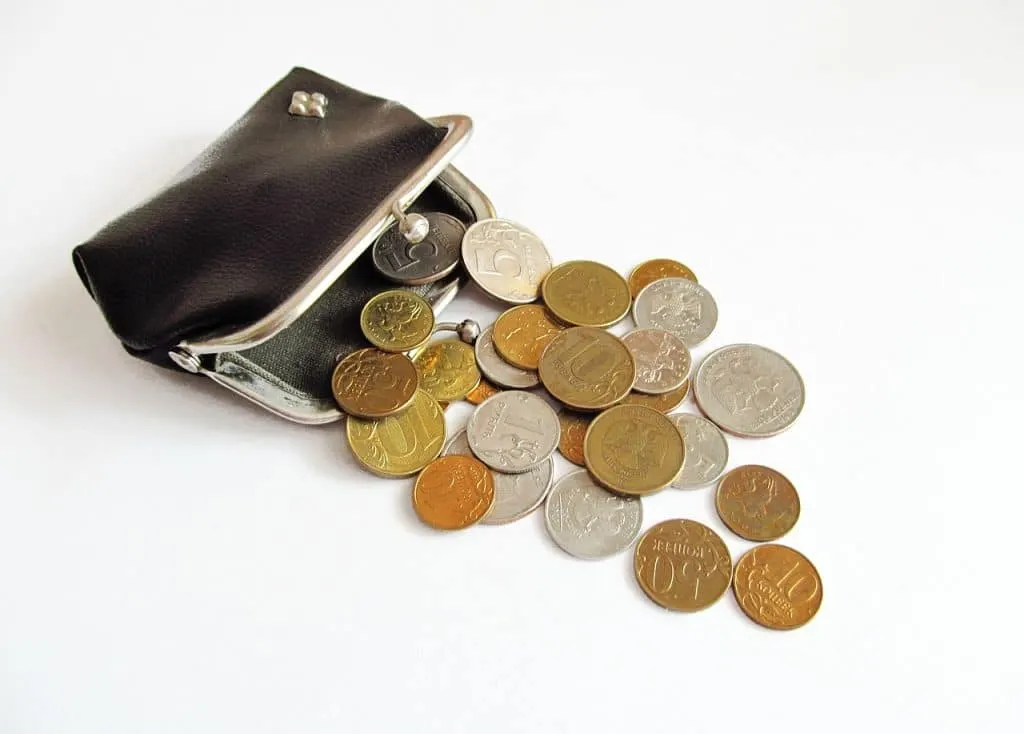
Tourists’ feelings about the disappearance of the penny
The decision to end penny production affects not only merchants, but also tourists visiting the San Francisco Bay Area. These small coins are much more than just currency; they symbolize memories, shared moments, and unforgettable journeys. Visitors seeking authenticity now find themselves faced with an unexpected question: what will happen when these coins disappear?
Penny souvenirs hold strong emotional value for many people. They represent walks along the Golden Gate Bridge, picnics in Golden Gate Park, and visits to Fisherman’s Wharf. When a penny is transformed, it becomes a small piece of art that encapsulates an experience. However, the potential scarcity of future pennies makes already pressed souvenirs even more meaningful. Tourist Reactions and Concerns
Tourists passing through the Bay Area share their apprehension about this development:
A palpable nostalgia
- for a tradition that, for them, is an integral part of their trip. Questions about the future value
- of the souvenirs they seek to collect. A desire to prolong this experience
- by asking businesses to keep the pressing machines. Thus, the transformation of pennies into a period currency raises questions about the preservation of local culture while encouraging businesses to rethink their strategy. The idea of ceasing production of these coins may be unsettling for some, but it also offers an opportunity to reinvent souvenirs through innovation and creativity.
In a broader context, the end of penny production could also redefine the souvenir economic landscape in the San Francisco Bay Area. The souvenir market must take into account changes in consumer behavior, particularly among younger consumers. They are more attracted to experiences they deem authentic, definitive, and memorable. Stores must therefore carefully consider the opportunities that arise.
Will businesses have the capacity to adapt to these changes? With the closing of the penny chapter, several challenges but also several opportunities emerge:
Challenges
Discover all about the penny, the iconic coin, its fascinating history, its current value, and its role in the economy. Explore our articles to learn more about this symbol of money over the decades.

The disappearance of pennies isn’t just a concern for retailers or tourists. This situation also raises concerns for collectors. Pennies have long been prized by enthusiasts who find historical or personal value in them. With the chatter surrounding the end of production, collecting these pieces of American history risks being undermined.
For collectors, every penny has a story. Coins may be, for example, part of a memorable trip or gifts from loved ones. This transition to a world without pennies raises questions: What will the value of these souvenirs be in the future?
Potential Responses for Collectors to this Transition
Collectors can explore several avenues to adapt to these changes:
Focus on acquiring collectible pennies before their production ends.
- Seek out specialized online communities and groups to share and discuss. Adopt a new vision of souvenirs, including other small-value coins that have become collectibles.
- Pennies will cease to be a simple object and become a central piece of souvenir cultural heritage. The transition to a new era may also encourage collectors to explore new avenues by promoting their passion. In this way, nostalgia can become an opportunity for enrichment.
- https://www.youtube.com/watch?v=ev3ZBC2-P4s
With a rapidly changing market, everyone involved—from businesses to tourists, not to mention collectors—will have to adapt to the disruption caused by the end of production of these coins. This change could lead to a true reevaluation of the value of souvenirs in a constantly evolving world.
Read next
 Business
Royal Business Bank crée une nouvelle équipe de prêts et inaugure un bureau dédié à la production de crédits
Royal Business Bank : Une Équipe de Prêts Innovante pour Répondre aux Besoins du Marché Dans un environnement commercial
 Business
The presence of ICE threatens small businesses in Minneapolis and Minnesota; some owners say, « I can barely do my usual job. »
The Threat of ICE to Small Businesses in Minneapolis Since late 2022, the situation in Minneapolis has intensified with
 Business
Waymo reveals why its robotaxis paralyzed San Francisco streets during a power outage
San Francisco: Power Outage Exposes the Limitations of Waymo Robotaxis On December 20, 2025, San Francisco experienced o
 Business
In San Francisco, PG&E power outages force businesses and families to throw away food
Impact of Power Outages on Families and Businesses in San Francisco In December 2025, San Francisco experienced a major