Economic Outlook: Deciphering the fog and uncertainties of December

Contents3
December Economic Outlook: Plunging into Uncertainty
December is often considered a pivotal month for economic outlooks, offering insight into how the year’s events may influence the future. This month, financial analysts are faced with an economic fog exacerbated by various uncertainties, whether political, geopolitical, or economic. Financial markets, in search of stability, seem to oscillate between optimism and pessimism, making the analysis of these trends even more complex. **Economic forecasts are often influenced by external factors. For example, the crisis in Ukraine, which has caused disruptions in energy markets, affects not only oil and gas prices but also entire supply chains. Furthermore, the economic policies of major powers have a significant role to play. Let’s take the case of the United States: the Federal Reserve’s interest rate fluctuations anticipate changes that could affect short-term economic growth.**Businesses, meanwhile, face a double challenge in December: not only must they develop forecasts for the following year, but they must also manage the pressures of rising borrowing costs. Here are some emerging economic risks: Rising raw material costs. Elevating interest rates, impacting business investment. **Instability due to geopolitical tensions.**Delivery delays and stockouts due to fragile supply chains.

In this uncertain environment, it becomes crucial for economic actors to adapt. The technology sector, for example, is showing signs of resilience, thanks to continuous innovation and robust demand for digital solutions. In contrast, other sectors, which are heavily dependent on the global supply chain, could face continued difficulties. Recent analysis has highlighted that, in the coming months, it is essential to monitor financial markets to better anticipate and prepare for future disruptions.
Precautions to take in the face of economic uncertainties Economic uncertainty can seem overwhelming, but there are effective strategies for navigating this economic fog. The first step is to establish a contingency plan, enabling businesses to prepare for various economic scenarios. This includes diversifying suppliers, acquiring low-volatility assets, and improving visibility across their supply chain.
- Comprehensive analysis of global economic outlook, market trends, and forecasts for businesses and investors.
- Risk management is a key aspect of strategic planning. Here are some measures to consider:
- Financial Data Analysis: Evaluate past performance and use analytical tools to forecast future results.
- Geopolitical Impact Assessment
: Monitor the evolving geopolitical situation and adjust plans accordingly. https://www.banquemondiale.org/fr/publication/global-economic-prospects Engagement with external advisors: Working with economic forecasting experts can provide valuable insights.
Monitoring economic trends: Staying informed about emerging trends can help anticipate attractive changes.
Innovative companies, such as those integrating artificial intelligence solutions to optimize their operations, can also find themselves in an advantageous position. When uncertainty prevails, innovation is often what separates successful economic players from the rest. In this context, the International Monetary Fund’s Global Financial Stability Report addresses crucial aspects of how uncertainty can hinder growth. It is therefore essential to keep a close eye on the influential variables that are changing the economic landscape.
Furthermore, collaboration between businesses and governments plays a fundamental role in creating an environment conducive to stability, whether through supportive regulations or support measures during times of crisis. The importance of a collective strategy then becomes clear, as coordinated actions can mitigate the negative impacts of uncertainty.

Government policies have a direct impact on economic growth, particularly during times of uncertainty. When examining government decisions, it is crucial to analyze their short- and long-term effects. Measures such as tax reforms, infrastructure investments, and stimulus programs can facilitate the transition between periods of growth and recession.
- Discover current economic forecasts, market analysis, and global trends to better understand the economic future. Decisions made before and during periods of uncertainty often reveal how governments adapt to economic changes. Therefore, economic forecasts also play a crucial role. For example:
- Type of policy Expected effects
- Impact on growth Tax reforms
- Stimulating consumption Short term, increased demand
Infrastructure investmentsJob creation Long term, improved productivity
Support programs
Business assistance
Intermediate term, economic resilience
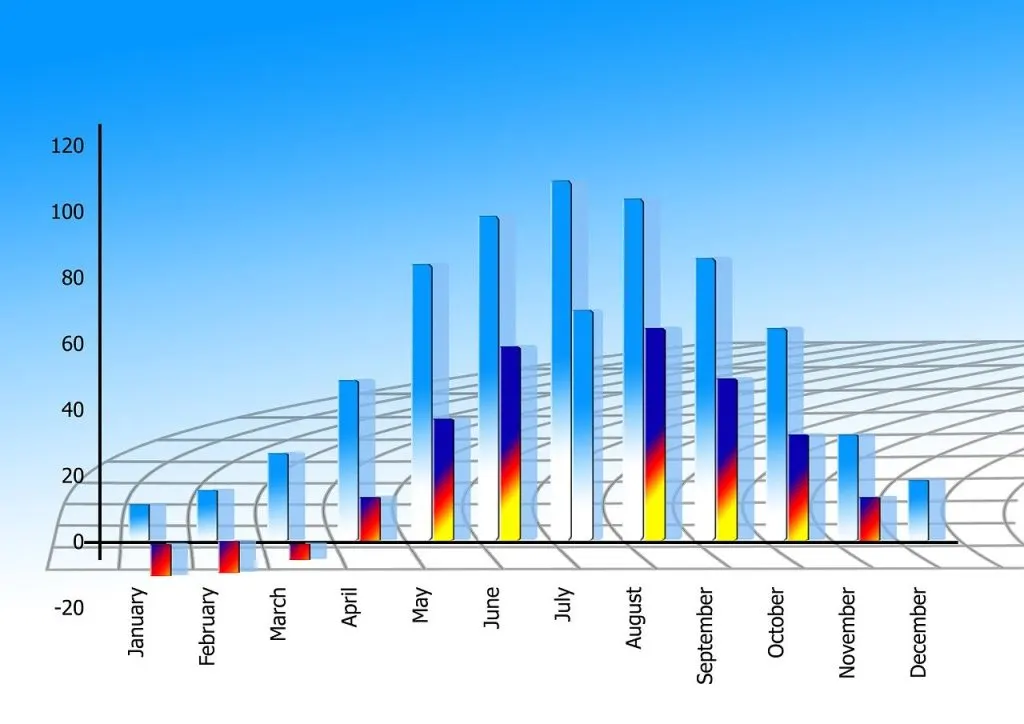
Assessing Financial Markets in Times of Uncertainty
Read next
 Business
Affirm CFO’s Vision: An ‘Incredibly’ Promising Economic Outlook
In the current economic climate, the role of the CFO is evolving significantly. At the heart of this transformation, Aff
 Business
US small business confidence plummets, darkening economic outlook
With 2025 well underway, U.S. small business confidence is showing worrying signs of erosion. Recent data reveal a signi
 Business
How tariff uncertainties and economic plans could hurt businesses
Pricing uncertainties and fluctuating economic policies have become major obstacles for businesses across all sectors. A
 Business
Keeping an eye on your local businesses: New openings, closures and local news from October to December 2025
New Business Openings in October 2025 October was a dynamic month for local businesses, with several new openings enrich