The opportunities and challenges of artificial intelligence for businesses: discover its incredible impact!
Contents4
Related reading : How does AI transform hidden details into game-changing business opportunities?
AI to optimize and innovate business processes
In an increasingly digitalized and automated world, artificial intelligence (AI) plays an increasingly important role in the development and growth of businesses. Its use is not limited to technological sectors, but extends to many areas of activity. Some see this adoption of AI as a beneficial revolution, while others fear it could lead to a massive loss of jobs. This article explores the different facets of the impact of AI on French companies.
Related reading : Artificial intelligence: the professional impact of ChatGPT Enterprise
AI to optimize and innovate business processes
The use of AI can speed up certain processes, simplify the management of complex data and increase profitability. There are multiple applications of AI:
- Analysis of large and complex data – this helps to better understand customer needs or improve logistics.
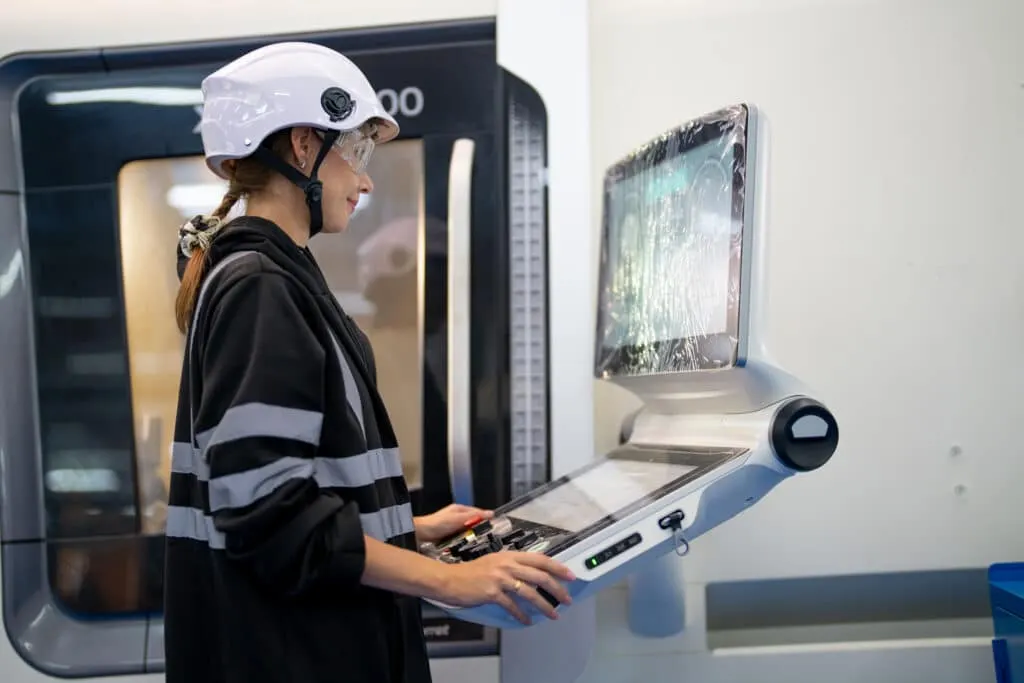
- Predictive maintenance – AI can anticipate hardware failures and reduce the risk of downtime.
- Natural language processing – AI makes it easier to communicate with users, particularly through chatbots.
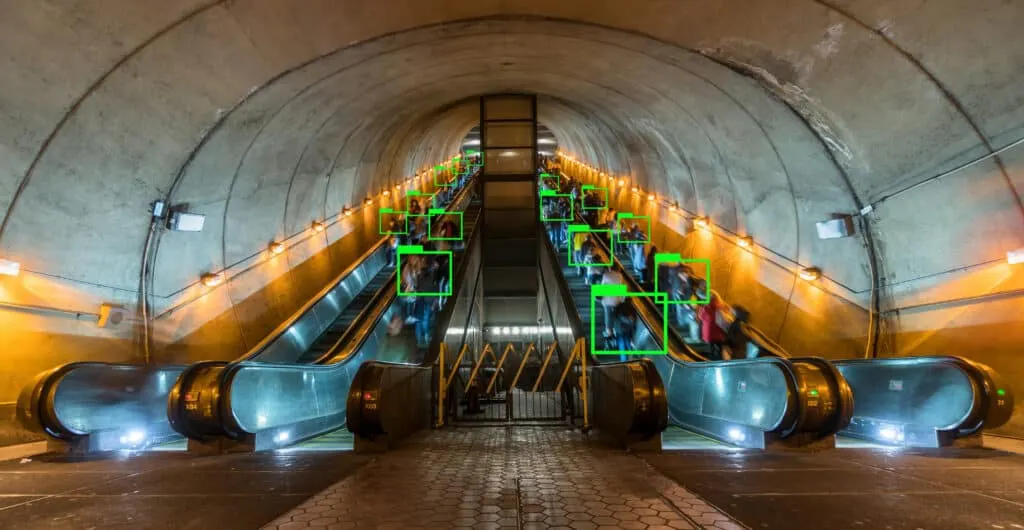
- Facial recognition – this application is particularly useful in the field of security.
So, when AI is properly integrated, it can enable businesses to stand out, optimize their resources and create new business opportunities.
However, leaders must remain vigilant when implementing this technology. It is important to train staff, ensure ethical use of data and anticipate the risks associated with the deployment of these tools.
AI, a source of concern for the job market?
While artificial intelligence presents real benefits for businesses, its potential impact on employment raises serious concerns. Recently, more than 200 workers at the Onclusive company in Courbevoie lost their jobs following the integration of artificial intelligence solutions. Other alarming predictions suggest the loss of 300 million jobs worldwide.
However, it is important to remember that for every job eliminated by automation, new opportunities can also emerge:
- Creation of new AI-related jobs – such as AI developer, machine learning specialist or data analyst.
- Transformation of existing jobs – some employees will be required to retrain within their company to take on new responsibilities involving the use of digital tools and AI.
It is therefore essential that workers in impacted sectors are trained and adapted to these AI-related changes, in order to transform this threat into an opportunity.
The role of businesses in the transition to artificial intelligence
To fully exploit the potential offered by AI while anticipating its consequences on the labor market, companies must adopt a proactive approach:
- Invest in the training of their employees – this will adapt skills to new market demands while ensuring a smoother and fairer transition for all.
- Establish a dialogue with social partners – encouraging communication between managers, employees and trade union organizations will make it possible to better anticipate the needs, expectations and fears linked to technological developments.
- Valuing humans at the heart of processes – it is essential that companies seek to exploit the synergies between AI and employees, rather than pitting them against each other in a binary logic.
Artificial intelligence is a major challenge for businesses today and requires collective awareness of its potential impact on the economy and society.
In conclusion, artificial intelligence offers many opportunities to French companies, but also raises legitimate questions about its impact on employment. To take advantage of it in a positive way, it is up to business leaders to fully engage in this revolution, while adopting a responsible and inclusive approach that aims to prevent risks, protect employees and promote the complementary role of AI and human labor.
Read next
 art
artThe incredible artistic revolution thanks to artificial intelligence: discover its major impact!
Machine-generated artwork The use of artificial intelligence (AI) has significantly disrupted various fields, including
 artificial intelligence
Banks are about to be revolutionized by artificial intelligence – Discover its incredible impact!
Potentials offered by AI in the banking sector The banking sector has been traditional for decades, but the arrival of t
 artificial intelligence
Explosion of artificial intelligence: discover the opportunities and challenges that are shaking up humanity!
Impact of artificial intelligence on our society In the midst of a heated debate, it is crucial to measure the impact of
 artificial intelligence
Artificial intelligence: a heated debate on its impact on work!
Revolutionary advances in sectors thanks to artificial intelligence Artificial intelligence (AI) is developing rapidly a