The market for eternal youth: Why longevity treatments cost up to $1,300
Contents3
The Business of Eternal Youth
The quest foreternal youth has transcended ages and cultures, becoming a true challenge for humanity. Every year, billions of dollars are invested in longevity treatments, a rapidly expanding market. Methods ranging from simple dietary supplements to gene therapy injections are part of this industry. But what justifies prices that can reach up to $1,300 for a simple anti-aging treatment? The goal here is clear: to slow down the aging process, thus giving consumers hope of staying young longer.

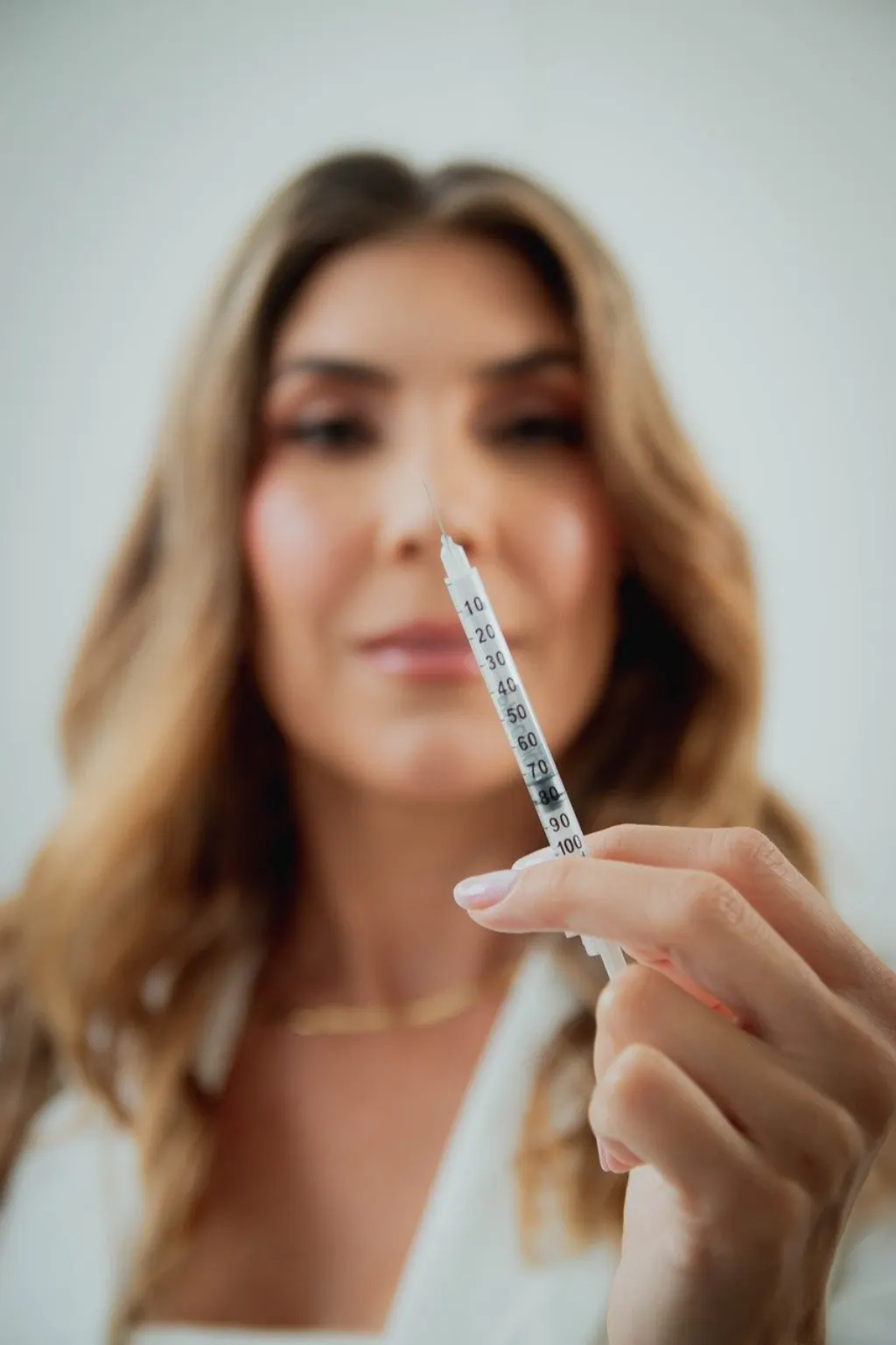
Discover our effective anti-aging treatments to preserve your skin’s youthfulness and safely regain a radiant complexion.
To understand this phenomenon, it is essential to look at the evolution of this industry. In the 1970s, the concept of longevity was still largely the stuff of science fiction. However, with the triumph of biomedical sciences in recent decades, the treatment of aging has become a promising reality. Driven by the growing aging population, the market for anti-aging care and treatments has exploded. Numerous clinics, such as Biograph in San Francisco and New York, offer comprehensive health assessments, combining advanced technologies and personalized diagnostics. These establishments not only promise a youthful appearance but also include in-depth health analyses.
It’s interesting to note that this sector isn’t limited to specialized clinics. Many luxury hotels, such as the Four Seasons in Los Angeles, are beginning to integrate longevity treatments into their services, highlighting the growing fusion of wellness and hospitality. This highly targeted approach is not only lucrative but also positions market players at the forefront of this new era of health.
The troubling promises of anti-aging treatments
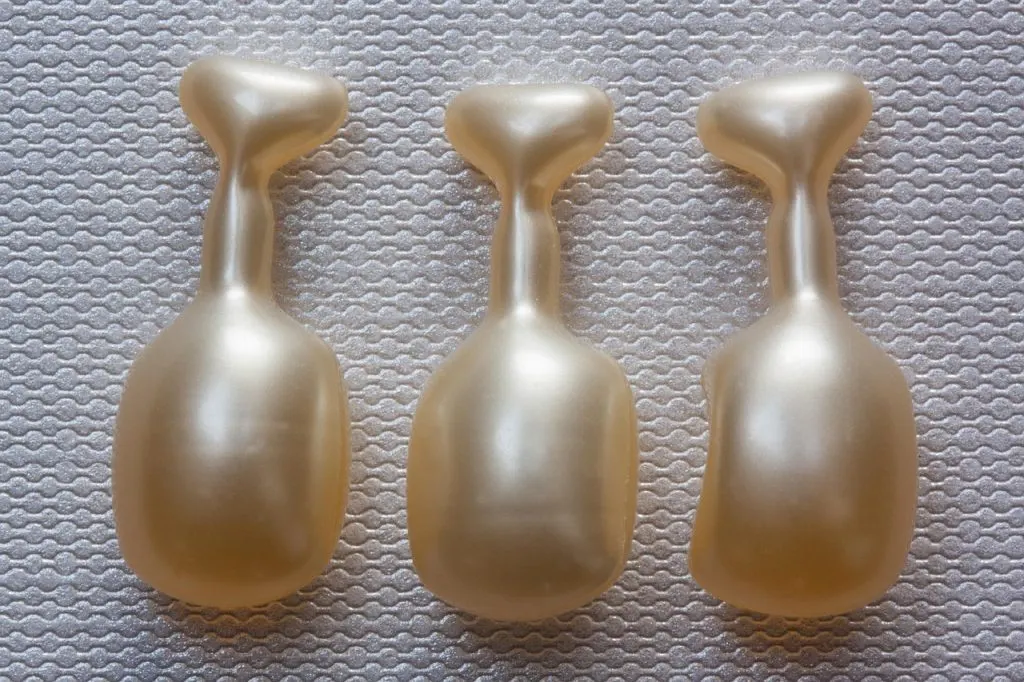
Discover our effective anti-aging treatments to preserve your skin’s youthfulness and regain a radiant, revitalized appearance.
Treatments like red light therapy or hydrotherapy, while achieving some success, suffer from a lack of robust clinical studies. Many doctors, such as Deborah Kado, caution against the promising but sometimes unfounded results associated with these treatments. This raises the question of the balance between the cost of treatments and their actual benefits.
https://www.youtube.com/watch?v=eWqke36wBaQ Furthermore, for those wishing to explore these anti-aging treatments, price differences represent a significant barrier. Health assessments can range from $200 to thousands of dollars, potentially excluding a segment of the population with immense potential for overall health improvement.
- Diversity of available treatments
- Varying costs and accessibility
- Commitment to unproven solutions
Longevity: a booming market
One of the reasons the longevity market is flourishing is the societal trend toward wellness and preventative health. Studies show that consumers are increasingly invested in their well-being and healthy lifestyles. This appetite for anti-aging treatments generates an almost insatiable demand for innovations in the health field.

Discover our effective anti-aging treatments to preserve your skin’s youthfulness and combat the signs of aging. Many medical technology and wellness companies see an investment opportunity. Favorable climates provide fertile ground for the development of new treatments. For example, clinics like Clinique La Prairie in Switzerland, offering life reset programs, reinforce the idea that aging can be managed.
Today, more than ever, aesthetic medicine and longevity technologies are at the forefront of consumer trends. More sophisticated treatments, such as DNA analysis or personalized health tests, stand out for their innovative nature, attracting a clientele willing to pay for a better quality of life. https://www.youtube.com/watch?v=dQDA67d4yh8
Ethics and Equity in Longevity Care
While the growth of this market is impressive, it also raises significant ethical questions. The disparity between those who can afford these treatments and those who cannot illustrates a substantial social divide. Longevity care is thus becoming a luxury, often reserved for a financial elite, exacerbating health inequalities. Deborah Kado warns in this regard: « A two-tiered healthcare system is emerging, where those who can invest in their health reap the benefits, while others are left behind. » This prompts reflection on how advances in longevity can be distributed equitably. While some research suggests that well-being can be maintained at a low cost, shouldn’t preventive healthcare be accessible to everyone? Healthcare equity should be a fundamental principle, and companies must be accountable in their pricing approach. The longevity market needs to evolve to embrace a genuine public health mission. Instead of allowing well-being to become a privilege, economic models must be developed to ensure that every individual can benefit from what longevity clinics have to offer. What to expect for the future of longevity
In conclusion, the future of the longevity market looks promising, but it is crucial to remain vigilant regarding emerging trends. As technology continues to advance, new treatments will undoubtedly emerge. However, it is essential that these innovations be grounded in sound science to avoid flooding the market with ineffective solutions.
The ethical considerations surrounding access to treatments will remain major points of discussion. As interest in aesthetic medicine grows, the need for robust regulation and equitable oversight becomes increasingly urgent. Looking ahead, it is vital that the wellness industry continues to question its practices and values, focusing on genuinely improving the future of humanity.
Read next
 Business
Youth sports: a $40 billion sector attracting the attention of private equity investors.
With an estimated valuation of $40 billion, the youth sports sector is attracting more and more private equity investors
 Business
Simple lifestyle changes a longevity doctor adopted to lose 22 kilos
In a world where balancing work and personal well-being is often difficult, Dr. Darshan Shah, a Los Angeles-based physic
 Business
The 3 secrets of longevity from a 101-year-old former doctor: the sardine diet and more
At 101 years old, Dr. Christian Chenay remains in full activity and reveals his secrets for a long and happy life. This
 Business
For these companies, the US tariffs represent an acceptable cost.
US Tariffs: A Calculated Surprise for International Trade In 2025, international trade is still heavily influenced by US