The long-awaited return of the iPod: a shared desire!
The Growing Desire for an Offline Music Device
In 2025, music continues to evolve alongside technology, but one thing is clear: many consumers, especially parents, miss the disappearance of the iPod. Indeed, this device, first launched in 2001, left its mark on a generation. Why this craze for a gadget that seems so outdated compared to today’s smartphones? The answer lies in a deep desire for simplicity and authenticity. **A survey conducted by Business Insider revealed that 94% of respondents wanted to see the iPod return to the market. Among the respondents, a majority of parents expressed concern about their children’s increasing smartphone use. Parents are looking for solutions to regulate screen time and offer an alternative to music. With the challenges posed by connected devices, the return of a device like the iPod could provide an answer to this growing need. There are several reasons why an iPod comeback is expected:**Avoiding distractions:
With an iPod, children can listen to music without the temptation of social media apps. Ease of use: A simple and intuitive design makes the iPod accessible to everyone.Durability: The rugged nature of this device makes it an attractive choice for everyday use.
Personal music collection:Parents may appreciate the ability to control their children’s music library. Many have turned to alternatives like MP3 players or even CDs—solutions, yes, but they haven’t achieved the same success and recognition as the iPod. Brands like Sony and Philips offer music players, but they don’t resonate with the cultural legacy associated with the iPod.
- Discover the iPod, Apple’s iconic music player, ideal for listening to your favorite songs wherever you go. Explore its features, storage capacities, and latest versions. The Music Industry’s Adaptation to the Digital Age Music in 2025 has largely gone digital, and streaming platforms like Spotify and Apple Music dominate the market. Despite this, there remains a desire to return to more classic devices, namely theiPod
- . In this context, record labels, artists, and even device manufacturers are beginning to evolve to meet new consumer expectations. It’s interesting to examine how these elements interact. Currently, a tension persists betweenuniversal access to music and the desire to experience music in a more tangible way. Data shows that a significant portion of the population, particularly young people, expresses a need to return to something more traditional. This element is particularly visible among artists who have responded to this trend by releasing vinyl records and limited editions. This revival of physical formats demonstrates that mastery of musical experiences is desired by an audience eager to detach themselves from virtuality.
- Here are some examples of artists and brands capitalizing on this dynamic: Indie music artists
- releasing their albums on vinyl records. Bose and Marshall
are focusing on high-end audio systems inspired by older generations.Beatsand Sennheiser offer headphones with a vintage design, reminiscent of older iPod models. The potential return of a more advanced iPod model could fit perfectly into this era of reevaluation of music media. With an emphasis on features such as offline playability, superior audio quality, and an iconic design, the iPod could make a triumphant comeback.*https://www.youtube.com/watch?v=fm2W9m3QGTQ*The Challenges of Designing a New iPod
Three major challenges arise:
Forgotten Technology: **The integration of new features such as Bluetooth connectivity and expanded storage are prerequisites. This comes with design challenges to maintain the classic appeal. Speed of trends:**With the rise of other brands like Xiaomi and Panasonic, which specialize in audio devices, how will Apple differentiate itself?
Target audience: Should they target new generations eager to discover music in a simpler way, or those nostalgic for the early 2000s? Apple is fortunate to be able to draw on its rich heritage, but this return must be carefully considered and designed to resonate in a constantly evolving market. Innovative options like a remixed design or the integration of AI for music suggestion could make a new version of the iPod appealing to different generations. A focus on a rich and intuitive user experience could also appeal to a broad audience.
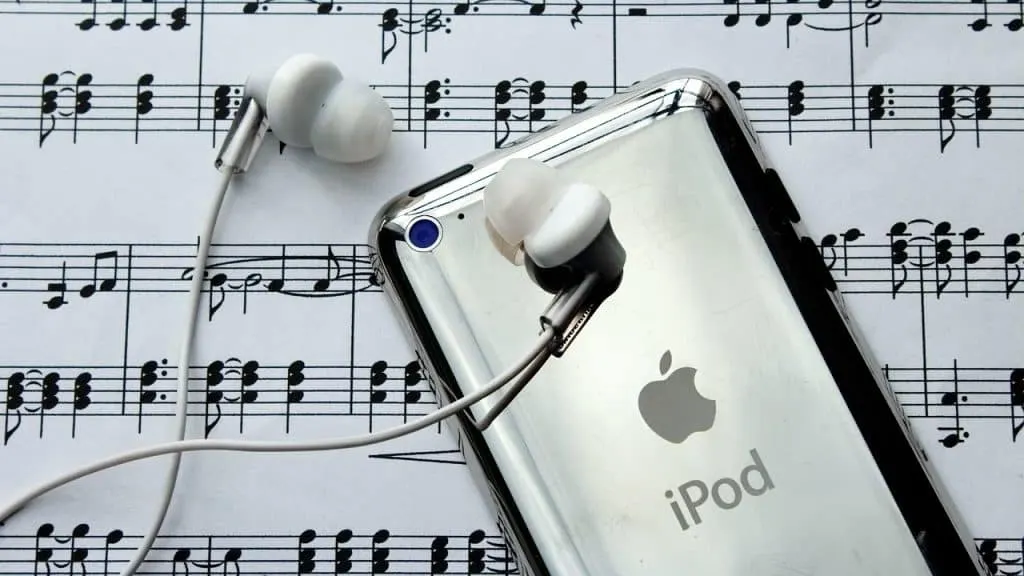
Discover the iPod, Apple’s iconic media player, designed to easily listen to your music anywhere, enjoy podcasts, and store your favorite playlists.
- A passionate community around the iPod revival Nostalgia plays a crucial role in the collective desire to see the iPod return. Numerous online groups and communities are forming around this idea, where members exchange memories, tips for using old devices, and decadent playlists filled with iconic songs from the 2000s. This culture around the iPod, a true pillar of portable music, demonstrates that the product has left an indelible mark.
- Forums on sites like Reddit and groups on social media attract adults who grew up with the iPod and who express a desire to see it return. These communities are truly passionate movements, where people share their experiences with the gadget. Members talk about how the iPod has changed the way they listen to music, from discovering new artists to compiling the best playlists. Users even share tips for extending the life of their old devices. Such a community isn’t just about nostalgic consumption, but a call for a renaissance: here, members encourage Apple not to abandon the original spirit of the iPod, which successfully combined technology and creativity. The challenge will be to achieve this balance in a new model while incorporating lessons learned in the music technology sector.
- https://www.youtube.com/watch?v=9BFYHgrgwmY Toward a Hybrid Sound Future Let’s imagine a world where a new iPod truly exists. A hybrid platform capable of uniting the best of both worlds, both connected and disconnected. This model could embody a response to today’s information overload while fulfilling a need for an authentic musical experience. This potential is all the more evident as the fight against screen addiction becomes increasingly important. A potential future could include elements such as:*An intuitive user interface:*Through the integration of artificial intelligence, imagine an interface that learns your musical tastes in real time, while optimizing the offline experience.
Cross-platform compatibility:Seamless synchronization with streaming services while offering classic offline music download functionality. Innovative partnerships:Collaborations with brands like Beats
Read next
Deux actions du S&P 500 recommandées pour les investisseurs à long terme et une à éviter
Panorama des actions du S&P 500 pour 2026 Le S&P 500 est souvent considéré comme un miroir des entreprises les plus soli
 Business
Shared Growth: Newport’s Economic Boom Strengthens Community Ties
The Foundations of Economic Growth in Newport Newport, a picturesque city on the East Coast of the United States, is exp
 Business
Cuomo and the Mayoral Race: A Two-Way Battle Against a Shared Strategic Vision with Business Leaders
The race for mayor of New York City is heating up, and at the heart of it is former Governor Andrew Cuomo, who is engagi
 Business
A Long Island teenager is launching a burger business offering free meals to veterans, with profits going to support the military.
A Long Island teenager is making waves with his burger business, which offers free meals to veterans while donating a po