The incredible artistic revolution thanks to artificial intelligence: discover its major impact!
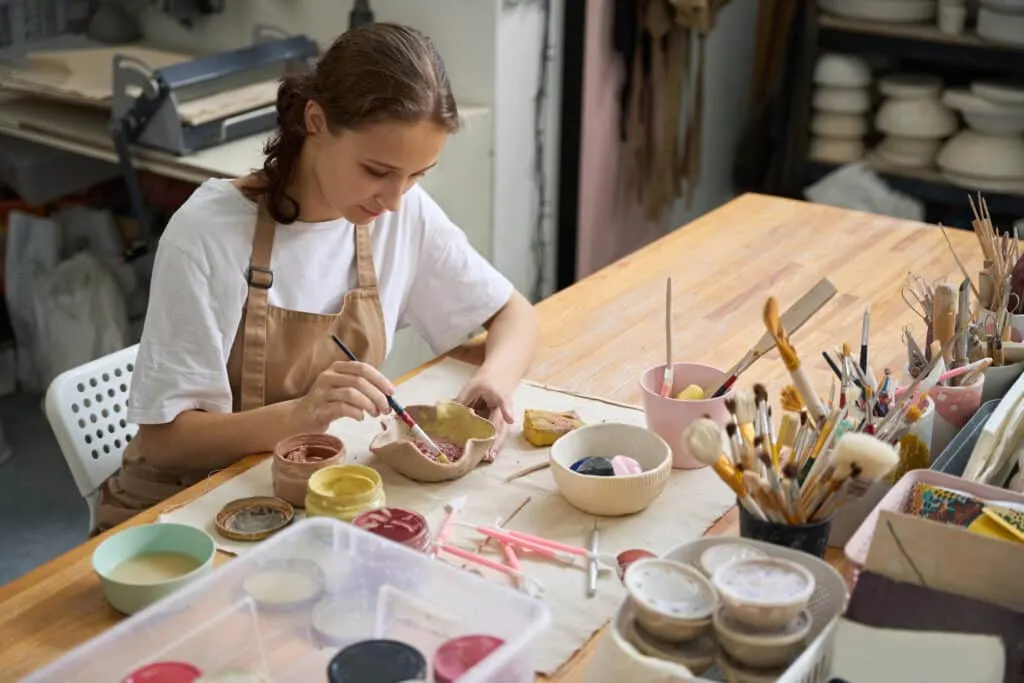
Machine-generated artwork
The use of artificial intelligence (AI) has significantly disrupted various fields, including art. This new form of expression raises many questions about creativity, authenticity and humanity. In this article, we’ll explore how AI is influencing art and how it could shape the aesthetics of tomorrow.
Collaboration between artists and AI
AI is not only used to create works of art independent of artists, it can also be a valuable tool for artists themselves. Composers use algorithms to compose music based on their own ideas or to explore new musical styles. Similarly, painters and sculptors can use AI to determine the best colors, materials or techniques to adopt in their works.
The role of AI in art criticism
AI also offers exciting opportunities for art criticism. Algorithms allow critics to quickly and accurately analyze works of art to better understand their value and impact. This could lead to a more objective evaluation of works of art and facilitate the discovery of promising young talents.
- Trend Analysis: AI can help detect emerging trends in the art world and identify artists on the rise.
- Authenticity of works: Algorithms can also be used to determine the authenticity of works of art by comparing their style, technique and composition with those of other works by the artist.
- Price Valuation: Through data analysis, AI can provide a more accurate estimate of a work of art’s value to collectors and investors.
The impact of AI on the perception of art
The growing presence of AI in the arts raises philosophical questions about what truly constitutes a work of art and what distinguishes a human creation from a machine creation. How do we perceive the value of art created by AI compared to that created by a human being? Furthermore, should we consider machines as true artists or simply as tools used by human artists?
As AI develops and becomes more integrated into the art world, the lines between human art and machine-created art could become even more blurred.
The need for an ethical debate
Artificial intelligence also raises a number of ethical issues. In particular, there is the question of liability when AI-generated works infringe copyright or unintentionally reproduce an existing work. Should this fault be attributed to the algorithm or its designer?
Ultimately, the impact of AI on art is inevitable and promising. Future developments in this area have the potential to enrich our understanding and appreciation of art, as well as facilitate the work of artists. However, it is essential for those in the art world to approach these questions with caution and encourage a dialogue about the ethical and philosophical implications related to the use of AI.
Read next
 artificial intelligence
The opportunities and challenges of artificial intelligence for businesses: discover its incredible impact!
AI to optimize and innovate business processes In an increasingly digitalized and automated world, artificial intelligen
 artificial intelligence
Banks are about to be revolutionized by artificial intelligence – Discover its incredible impact!
Potentials offered by AI in the banking sector The banking sector has been traditional for decades, but the arrival of t
 accounting
Revolution in progress: Artificial intelligence is shaking up accounting!
The artificial intelligence revolution in accounting The emergence of new technologies, such as artificial intelligence
 artificial intelligence
Artificial intelligence: a heated debate on its impact on work!
Revolutionary advances in sectors thanks to artificial intelligence Artificial intelligence (AI) is developing rapidly a