Parkersburg City Council rejects local business owner’s appeal for a business license

Background to the Parkersburg City Council Decision
The Parkersburg City Council recently made a significant decision regarding an appeal filed by a local business owner, Ari Gold, owner of TrueForce Machinery, LLC. His application for a business license, filed on August 1, 2025, was denied after months of waiting. Gold, who had voiced his dissatisfaction at the hearing, also pointed out that section 701.19 of the city’s codified ordinances states that an individual may challenge a decision denying a license. This background underscores the challenges entrepreneurs face in a complex regulatory environment. **At the heart of the matter, the City of Parkersburg noted that Gold had not submitted all the necessary documentation to support his application. This situation illustrates the pitfalls that local governments can encounter in their role of evaluating and granting business licenses. Gold cited a lack of clarity in the requirements, which hampered the processing of its application and increased frustration with administrative procedures. This case also raises questions about the transparency and effectiveness of public bodies in supporting local businesses.**Rejection by the city council: discover the reasons and implications of this important decision for the local community. **The legal issues surrounding the license refusal.**The denial of the business license highlights crucial legal issues for merchants. Gold’s case hinges on specific sections of the city’s bylaws, notably section 701.15, which mandates that the city issue a license if a business is already operating without having obtained one beforehand. However, the city council interpreted this need for approval as contingent upon the complete submission of required documentation.
This raises a pertinent question: How far must a merchant go to demonstrate compliance before a city grants them the right to operate? The council’s decision, while legal, has profound implications for how entrepreneurs navigate an often complex environment. Administrative hurdles, whether intentional or not, can severely harm businesses seeking to establish a presence and contribute to the local economy. A closer look reveals that similar cases occur regularly elsewhere in the country. The need for increased support for entrepreneurs in their interactions with bureaucracy is a recurring issue. To learn more about how administrative decision appeals work, it is essential to examine the risks and benefits of regulations regarding municipal decision appeals. Explanation of the Operating License Application Process**The process for obtaining an operating license may seem straightforward, but it is often fraught with ambiguities. When an entrepreneur like Ari Gold wants to start a business, they must go through several steps, including submitting a complete application that complies with all regulations.**local regulations. This involves not only declarations about the intended business activity, but also the submission of documents such as a state business license, location information, and other essential elements.
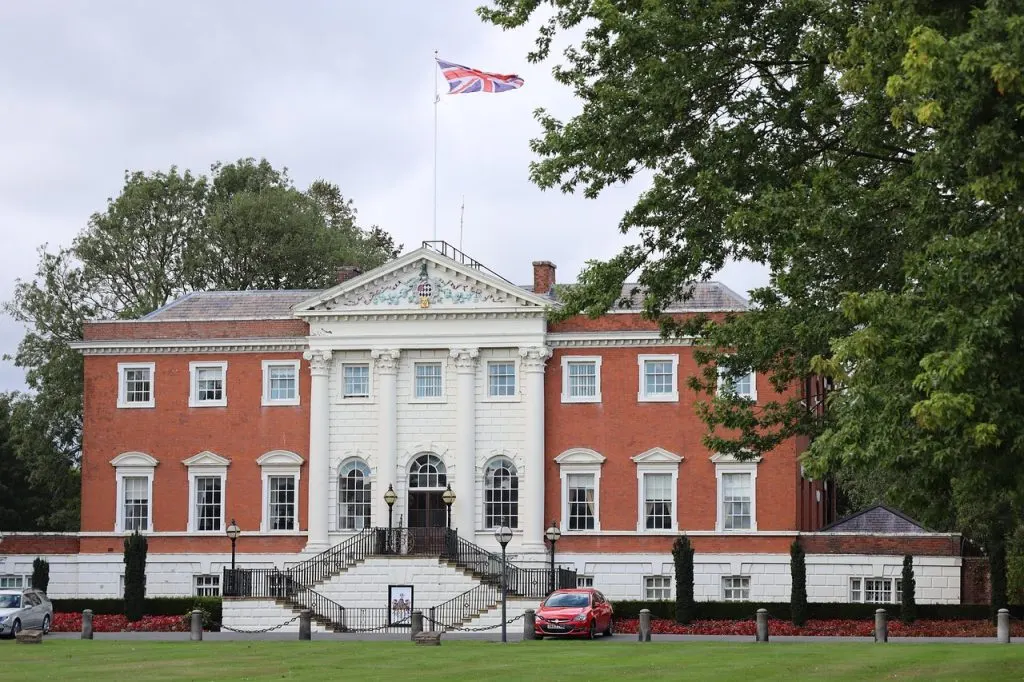
The complexity of this process is compounded by the need to comply with standards that can vary depending on the type of business. For example, Gold should have indicated whether it sold alcohol or had slot machines, two aspects that could impose additional regulations. In cases of non-compliance, as in the case handled by the Parkersburg City Council, the application is often rejected, leaving the entrepreneur in a precarious situation. For those wishing to avoid such rejections, it is crucial to thoroughly understand the legal requirements and prepare accordingly.
Rejection by the City Council: Analysis of Decisions and Local Impacts.
Furthermore, every business owner should be aware of the processing times associated with applications. Local regulations, such as those observed in Parkersburg, do not always guarantee a prompt response. Gold attempted to expedite this legal process through a lawsuit, further highlighting the difficulties entrepreneurs face with bureaucratic delays.https://www.notaire-tsakadi.net/contester-une-decision-du-conseil-municipal-guide-pratique-pour-les-citoyens/A crucial point to consider is that these procedures are not merely administrative; they also have a significant human dimension. Entrepreneurs invest not only financial resources but also their time and energy in these processes, hoping for a positive outcome. Failure to fulfill these hopes can lead to a sense of injustice that may deter other potential entrepreneurs.
The economic implications of the license refusal The refusal of the operating license For Gold, this has multifaceted economic repercussions. First, it hinders the potential growth of his business and its integration into the local economy. Small businesses, like TrueForce Machinery, represent a significant portion of Parkersburg’s economy, and their success or failure directly impacts the surrounding community. The length of the administrative process, coupled with a lack of clarity about what is expected, can affect a business owner’s overall financial projections. Considering local dynamics is crucial; every business plays a vital role in employment, the supply of products and services, and the dynamism of the local market. Where other markets thrive, local businesses often find themselves without support.
Research highlights that small businesses foster economic diversity, bringing innovation and meeting the specific needs of local consumers. Furthermore, the absence of a stable business partner, such as a local retail outlet, is detrimental to the local economy.

Furthermore, a sense of distrust towards local government can also develop. Entrepreneurs who have faced refusals or obstacles may become apathetic towards administrative procedures. To avoid these negative perceptions, local governments must adopt a proactive approach by offering financial resources, training, and support in navigating the complexities of regulatory requirements. This could involve hiring professionals to assist local businesses with their applications.
Recourse options for local businesses
Although Parkersburg City Council rejected Gold’s appeal, this does not mean that there are no avenues of recourse for businesses in similar situations. Article 701.19 does, in fact, offer a challenge opportunity, encouraging individuals to contact the council within a specified timeframe. This opens the door to discussion and reassessment of the initially denied application, as well as a reflection on requirements that may have been misunderstood.
Businesses should be aware of these avenues of recourse and the necessary steps to take. To be well-prepared to face the challenges, here are some tips: Consult legal professionals for advice on required documentation. Stay informed of regulatory updates from the local government.
Participate in workshops offered by local business associations. Maintain an open dialogue with City Council members to promote transparency. Advocacy groups can also play a crucial role by providing assistance and support in these processes to ensure fair representation of business interests. City Council Decision: Summary and Reasons for Rejection.
The Parkersburg City Council’s decision to deny a business license highlights critical issues for local businesses. This situation is symptomatic of a broader problem regarding how regulations can affect the viability of businesses in communities. Small businesses must fight not only for their survival but also for a fair and accurate understanding of the regulations that govern them. It is imperative that local authorities work closely with entrepreneurs to ensure that processes related to operating licenses
do not become barriers, but rather bridges to a more dynamic economy.
Read next
 Business
Vestal City Council Member Apologizes for Financial Damage Caused by Business Failure
In a city like Vestal, where municipal management is a central concern, a recent event shocked residents. A prominent ci
Tahoe community mobilizes to boycott local business following racist comments from its owner
 Business
A Neglected City: Local Businesses Concerned About Upkeep of Charleston’s Downtown
Charleston, renowned for its rich heritage and friendly atmosphere, faces growing challenges in revitalizing its downtow
 Business
Opinion | The debate surrounding the Wyoming Business Council is omitting a crucial element
The Wyoming Business Council’s Fundamental Role in Economic Development The Wyoming Business Council (WBC) has long been