In San Francisco, PG&E power outages force businesses and families to throw away food
Contents3
Impact of Power Outages on Families and Businesses in San Francisco
In December 2025, San Francisco experienced a major power outage caused by a fire at a PG&E substation. This event plunged nearly 130,000 residents into darkness, particularly affecting families and small businesses. The consequences were immediate: many households had to throw away perishable food, exacerbating stress and anxiety for families during the holiday season. The decisions families made in the face of this power outage had significant repercussions for their food security. Testimonies from residents, such as Greg Ogarrio from the Richmond neighborhood, reveal the frustration of a ruined Christmas Day. « We had to throw away a refrigerator full of food, » he complained. On the other hand, small businesses in San Francisco also suffered from the power outage. Spiros Johnson, owner of 25th and Clement Produce Market, estimated his food losses at thousands of dollars. The situation was all the more difficult to accept given that this period is usually one of the most lucrative of the year. The economic impact of this outage is undoubtedly a major setback in an already strained environment for many businesses. Companies that tried to minimize their losses found themselves in precarious situations. For some, the solution was to donate food that was still edible, but for others, like ice cream vendors, there was simply no way out. « You can’t do anything with it, it’s all ruined, » commented another local business owner. This kind of testimony illustrates the feeling of powerlessness in the face of the vagaries of energy management. Information and practical advice in case of a power outage to ensure your safety and best manage the situation. The economic consequences of power outages in San Francisco Power outages like the one that occurred in San Francisco in December 2025 are not limited to a simple power cut. They generate significant economic consequences, affecting both employees and employers. For many business owners, the loss of revenue is a major blow, especially just days before the holiday season. How can this economic impact be measured? One method is to examine the costs incurred by the business interruption. For small businesses such as bakeries, grocery stores, or restaurants, every hour without electricity represents a significant loss. Furthermore, the time required to restart operations once power is restored is also a factor to consider, which can clearly influence a company’s profitability.
Businesses often take steps to offset their losses. PG&E announced it would offer a compensation scheme for businesses that demonstrate product or revenue losses. However, this process can be lengthy and complicated, leaving many business owners in a precarious situation. Local initiatives have emerged, with businesses joining forces to support one another. They have shared strategies for coping with the crisis, while emphasizing the importance of energy management in future planning. The consequences of these power outages on the economic well-being of a city like San Francisco cannot be underestimated. The long-term repercussions could influence how businesses prepare for future power outages. What role could the local government play in improving the economic resilience of small businesses in the face of such crises?
PG&E’s Response to Power Outages
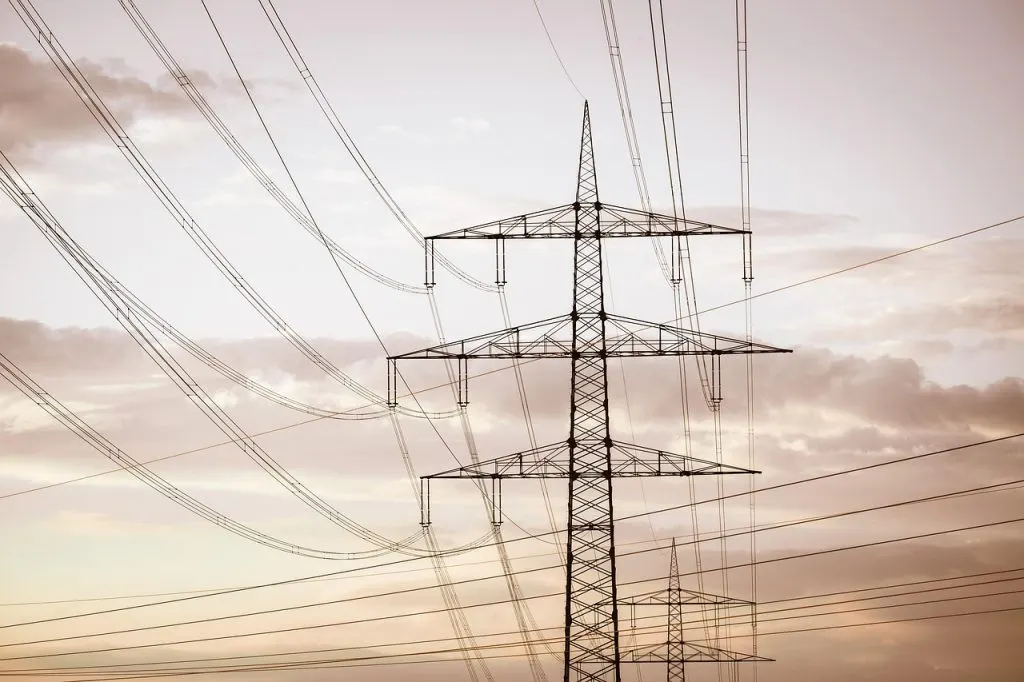
In 2025, as technology rapidly advances, many voices are calling for infrastructure modernization. PG&E employees have stated that the safety of electrical infrastructure is paramount to preventing such incidents. This includes regular maintenance and equipment upgrades, which require significant investment. Furthermore, the dialogue between citizens and PG&E has taken on a new dimension. The city has established discussion forums for residents to voice their concerns and expectations. This initiative aims to enhance the company’s transparency and improve communication with customers during future outages. Such efforts could prove crucial in restoring residents’ trust in their electricity provider.
San Francisco Mayor Daniel Lurie also stated that a reassessment of safety and energy management policies was necessary after this outage. This presents an opportunity to rethink how energy is managed in the city and to explore sustainable alternatives for energy supply in the face of future crises.
Information and practical advice in case of a power outage to ensure your safety and manage the situation effectively. Community Resilience in the Face of Power Outages
Disasters, such as massive power outages, often test a community’s resilience. In San Francisco, this outage was no exception. Unfortunately, many families and businesses faced significant losses, but it also highlighted the importance of solidarity and mutual support within the neighborhood. Residents began organizing collections to help those most affected. Initiatives emerged: some businesses offered free or discounted meals to those who had lost their food. Social media also played a vital role in these support efforts, connecting people and facilitating swift action for the most vulnerable.
In this context, where the impacts of the energy crisis are being felt on the ground, communities must prepare for future energy uncertainty. This experience has been a call to action to equip San Francisco with better energy management and resilience in the face of unforeseen events. Why not consider alternative energy systems that make neighborhoods less vulnerable to widespread power outages?
Lessons Learned from the December 2025 Power Outage The events of December 2025 in San Francisco remind us of the importance of crisis preparedness. The massive power outage highlighted not only the potential weaknesses of an aging electrical system, but also the vulnerability of families and businesses to the disruptions caused by such situations. Thus, how a city anticipates and responds to these crises is crucial for preserving economic and social stability.
Discussions surrounding the need to renew electricity generation infrastructure and improve the economic impact of outages are more crucial than ever. This type of incident underscores the importance of collective thinking to ensure that similar events do not recur, or at least that they are managed more effectively. The lessons to be learned go beyond simply repairing power lines: they require the community to rethink its approach to energy management.
which incorporate the voices of those directly affected by these crises. Furthermore, the damage suffered by families and businesses should prompt a review of insurance and disaster relief programs.
In conclusion to this somber day in San Francisco, there remains hope that the light will shine on improved energy resilience practices and strengthen community solidarity in the face of adversity.
Read next
 Business
Waymo reveals why its robotaxis paralyzed San Francisco streets during a power outage
San Francisco: Power Outage Exposes the Limitations of Waymo Robotaxis On December 20, 2025, San Francisco experienced o
 Business
Millions of water customers face bill increases; risk of winter power outages decreases – Business Live
Soaring Water Costs: A Worrying Future for Consumers With growing concerns about water management, alarming estimates re
 Business
Will the Air Force close its ‘front door’ to small businesses?
In a context where collaboration between government and businesses, especially SMEs (small and medium-sized enterprises)
 Business
Trump’s efforts to lure businesses away from China backfire
In the current international trade context, Donald Trump’s economic policy has generated considerable interest and heate