Chippewa County’s Hazmat team was mobilized to assess a strong odor at a local business.
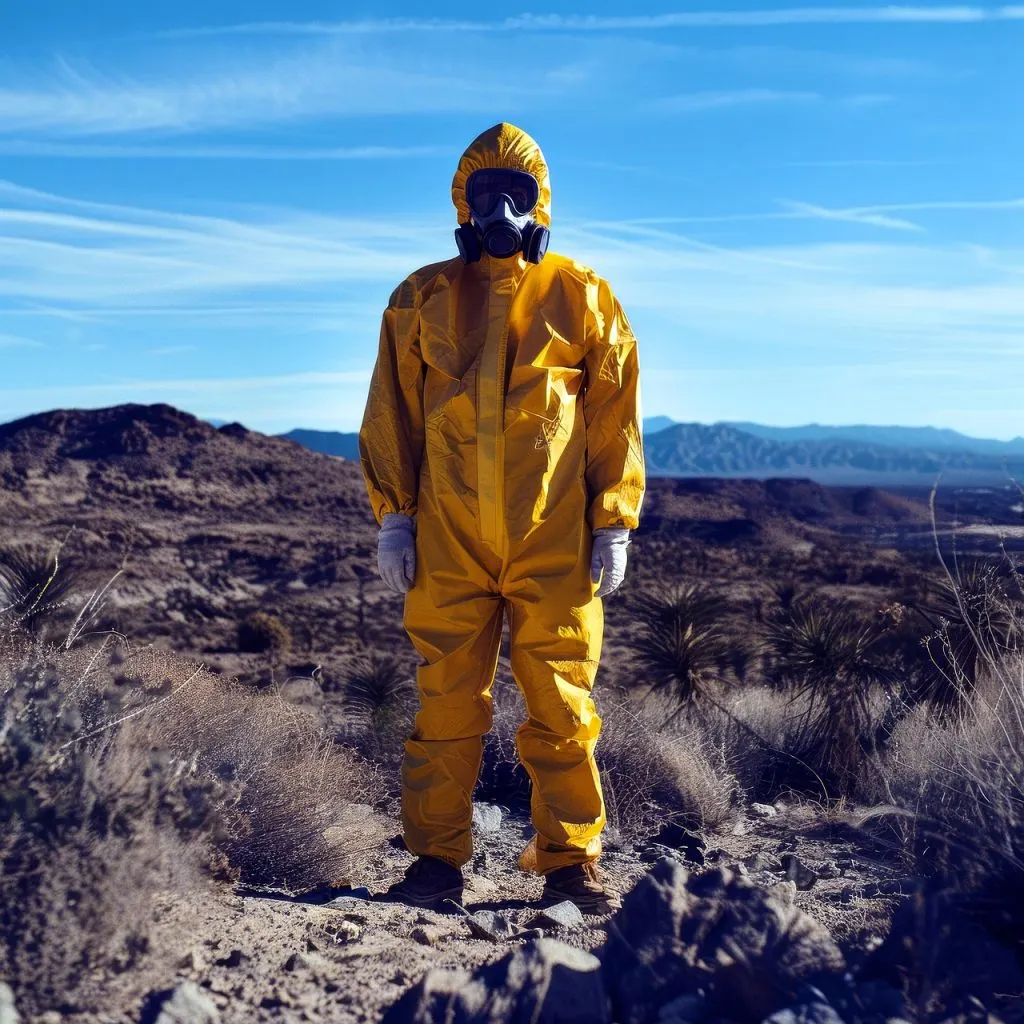
Chippewa County Hazmat Team Response
Recently, the Chippewa County Hazmat Team was mobilized for an intriguing but potentially dangerous incident: a strong odor detected at a local business. This occurred at the Zaniya Center, a facility offering services such as massage and floatation therapy. When emergency services were alerted, they immediately took steps to assess the situation. According to reports, the emergency response call was made after some employees began experiencing eye, nose, and skin irritation. These symptoms were crucial indicators for first responders, who understood that a thorough assessment was imperative. Due to the unknown nature of the odor, the Hazmat Response Team was called in to ensure safety and prevent contamination. Upon arriving at the scene, the Hazmat team members began by gathering environmental data, including the temperature of the suspicious odor. They discovered that a bucket of laundry, although washed, had produced a strong odor due to spontaneous combustion at nearly 300 degrees Fahrenheit. This type of incident, while rare, is possible when certain synthetic materials are exposed to specific conditions, such as humidity and heat. The Hazmat team specializes in hazardous materials management, decontamination, and emergency response to ensure public safety.
This first incident raises essential questions about the management and prevention of such situations. Inspection and risk assessment protocols must be clearly defined and followed in all companies, especially those handling flammable materials. The Roles and Responsibilities of the Hazmat Team **The Hazmat team plays a crucial role in managing chemical emergencies. Their training enables them to assess potential hazards, contain risks, and ensure the safety of the premises. During the response at the Zaniya Center, team members used specialized equipment to identify the presence of chemical substances. Although no contamination was detected at that time, their rapid intervention prevented further complications.**Hazmat interventions are not limited to situations of obvious contamination. They require expertise in substance detection, as well as in-depth knowledge of potentially hazardous materials that may be present in a work environment. This is why Hazmat training is vital for companies in various sectors. Emergency response procedures must include ongoing training. This ensures that team members are familiar with new types of hazards and technological developments in the field of chemistry. For example, several companies have implemented regular training sessions to prepare for unforeseen situations.
Spontaneous combustion, while rare, is an alarming phenomenon that can occur without warning. It happens when materials, often textiles, are stored in a confined space, creating conditions conducive to self-heating. Fire departments, such as the one in Chippewa County, have frequently warned businesses, especially those handling rags or materials impregnated with solvents, to use fire-resistant containers to minimize the risks.
To better understand this phenomenon, it is necessary to review the factors that contribute to this combustion. A combination of moisture, heat, and certain types of materials can create an exothermic reaction. General recommendations include specific practices for the storage and disposal of waste, as outlined in the
Hazardous Materials Guide
Beyond accident prevention, it is also essential to raise employee awareness of potential risks. Every member of a company should be aware of the symptoms of irritation that could occur and know how to respond to emergency situations. https://www.youtube.com/watch?v=fJ_EAmTCS6Q Inspection and Prevention: A Major Challenge for Businesses
Prevention is a major challenge in managing chemical emergencies. This requires regular inspections and risk assessments. Businesses must ensure they have the necessary tools to identify potential hazards before they become problematic. In Chippewa County, the effectiveness of responses depends largely on the vigilance of employers and employees.
A proper risk assessment involves several steps, including:
Identifying Hazardous Materials:
Knowing which chemicals are present. Analyzing Storage Conditions:Assess whether materials are stored securely.
Employee training:
Emergency response planning:
Have an emergency response plan in place, including a direct contact number for hazmat teams.
Working with a hazmat service to establish a risk assessment framework can be beneficial. This not only helps prevent incidents but also ensures compliance with applicable safety regulations. Organizations can also benefit from implementing anonymous reporting systems to encourage employees to report hazards without fear of reprisal.
- A hazmat team specializes in the management of hazardous materials, ensuring safety and protection in chemical, biological, or radiological hazard situations. Regular inspections allow for the early detection of potential hazards and help strengthen protocols within companies. Finally, cooperation between companies, emergency response teams, and regulatory bodies is essential for maintaining safe working environments. Conclusion on the Importance of Safety
- Safety is first and foremost a collective responsibility. Everyone in a company has a role to play in ensuring a healthy and safe environment. The incident at the Zaniya Center reminds us of the importance of rapid action and adequate preparation in the event of a chemical emergency. Collaboration with Hazmat experts and constant vigilance are the keys to optimal safety.
- https://www.youtube.com/watch?v=Nd4RTU97nBM Lessons Learned from the Hazmat Response The lessons learned from the incident in Chippewa County are significant. First, it is clear that proactive safety measures can at least mitigate the risk of chemical incidents. Ongoing employee training and the implementation of preventative strategies are crucial steps in avoiding future emergencies. By involving all stakeholders, improvements can be made to the effectiveness of response efforts.
- It is essential for companies to regularly reassess their inspection practices. This includes updating detection equipment, training employees on new safety standards, and establishing safe working conditions. Hazmat teams play an irreplaceable role in providing their expertise and support to companies navigating the complex world of hazardous materials. In conclusion, although this incident was resolved without injury, constant vigilance is the best protection against emergencies. Companies must be prepared not only to act during a crisis but also to prepare and protect their employees every day. This can only be achieved through adequate assessments, training and a commitment to safe practices.
Read next
 Business
Business owner in Minneapolis: 16-hour shifts to protect my team from ICE checks
The Context of ICE Checks in Minneapolis For several years, Minneapolis has been the scene of growing attention surround
 Business
Mamdani chooses Wylde, a New York-based business advocate, for his transition team
The Election of Zohran Mamdani: A Turning Point for New York In November 2025, the election of Zohran Mamdani as mayor o
 Business
Europe in the business age: A continent experiencing strong economic growth
Europe’s Economic Dynamics in a Global Context Over the past few decades, Europe has evolved into a major economic playe
 Business
ASR Nederland achieves net profit thanks to strong business growth
ASR Nederland, one of the leaders in the Dutch insurance market, recently announced impressive financial results. Its ne