Autonomous Fighter Jets and Cockroach Spies: A Deep Dive into the Evolution of the Military Sector
Contents9
The military world is evolving at breakneck speed, marking an inevitable shift toward the integration of cutting-edge technologies. From autonomous fighter jets operating without a pilot to cockroach spies, today’s arsenal is becoming a veritable laboratory of innovation. These advances not only improve combat capabilities, but also rethink the very nature of warfare.
Autonomous Fighter Jets: The Future of War Skies
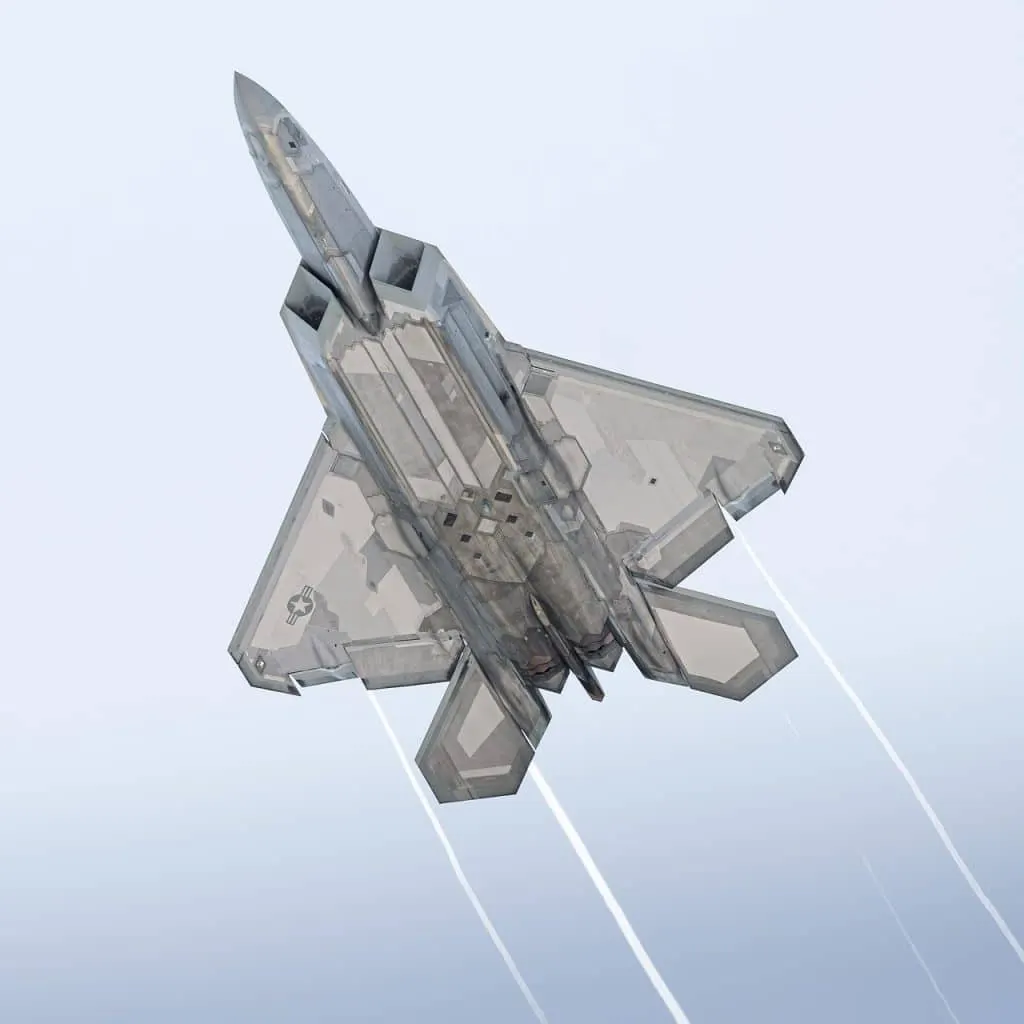
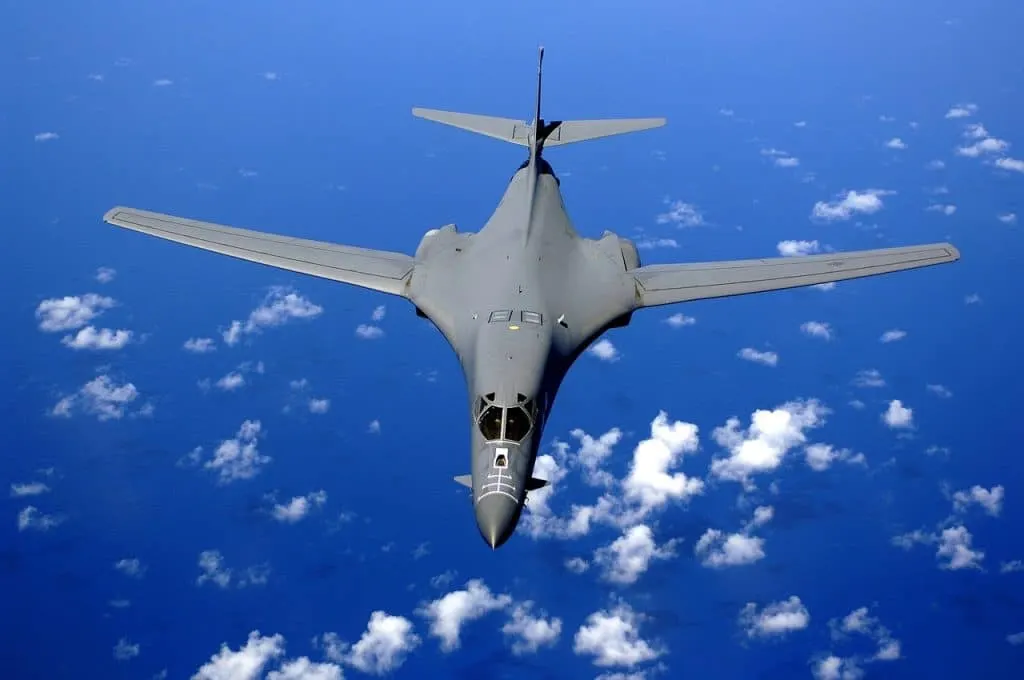
Fighter jets have long been symbols of military power. They are machines designed to dominate the skies, ensure air supremacy, and carry out complex missions above theaters of operation. By 2025, the technology has evolved considerably, integrating autonomous systems that promise to redefine military engagement. Fighter jets such as Dassault Aviation and Airbus Defence and Space are heading toward a future where artificial intelligence plays a central role. With the emergence of interconnected air combat systems, such as the FCAS (Future Air Combat System), aircraft are no longer simply piloted by humans. These AI-enabled aircraft are capable of analyzing data in real time, making strategic decisions, and acting autonomously when needed. Automation enables greater responsiveness to potential threats, whether ground-based or airborne. The Capabilities of Tomorrow’s Fighters Tomorrow’s autonomous fighter aircraft offer a multitude of capabilities that transcend the traditional functions of pilots. Here are some of the most impressive advancements: Advanced Surveillance:
Thanks to the integration of sophisticated sensors and reconnaissance technologies, these fighters can monitor vast areas, transmit crucial information, and even detect threats invisible to conventional radars. **Targeted Engagement:**Autonomous aircraft can choose to engage in combat while assessing the consequences of an attack to avoid unnecessary human casualties.
Systems Interconnection:
Fighters can communicate with other units, whether drones, satellites, or ground systems, creating an unprecedented intelligence and operations network.
- Risk Reduction: Enabling unmanned missions limits the exposure of human forces to threats.
- The implications of these advances are profound. Not only are they reshaping the landscape of modern warfare, but they also create considerable moral and ethical challenges. As life-and-death decisions are entrusted to machines, it becomes imperative to question responsibility and control in conflict situations. Discover the latest advances in military technology: innovations, equipment, strategies, and news on defense systems and weaponry used by armed forces around the world. The Role of Cockroach Spyware in Modern Defense
- Military innovations are also taking unexpected forms, with the emergence of bio-inspired technologies, such as cockroach spies. This concept, which may seem like something out of a science fiction novel, is in fact becoming a tangible reality. Cyborg cockroaches, equipped with miniaturized sensors and artificial intelligence technologies, are an integral part of the modern arsenal, particularly in countries like Germany, where this approach is being seriously explored. These insectoid secret agents are deployed for reconnaissance missions, capable of infiltrating enemy areas and providing accurate data. The design of these spy cockroaches is based on several principles that make them suitable for military missions:
- Characteristics of spy cockroaches Discretion:
Thanks to their small size and ability to slip into tight spaces, these cockroaches can go unnoticed in the most hostile environments.
Equipped with audio and video sensors, they can transmit information in real time to their operators, improving intelligence in the field.
Autonomy:
Artificial intelligence systems allow these cockroaches to carry out reconnaissance missions without human intervention, moving through dangerous territories.
Despite their potential, the use of spy cockroaches raises ethical questions about respect for animal life and genetic manipulation. With society evolving, it is crucial to establish guidelines for research and development in this field. Discover the latest advances in military technology, innovations, defense equipment, weapons systems, and strategies to strengthen national and international security.
- The Synergy Between Drones and Fighter Aircraft Another area of technological interconnection lies in the integration of drones and fighter aircraft. Drones, whether from
- Parrot Drones or other advanced systems, play a complementary role by providing aerial support to their larger counterparts. This evolution is evident in the concept of drone swarms, which, in coordination with fighters, can carry out reconnaissance and attack missions with unparalleled precision.
- How the Integrated Military Ecosystem Works In this ecosystem, drones can perform various missions:
Reconnaissance:

Fire support:
In the event of an engagement, drones can provide air support by targeting specific targets, minimizing risks to pilots. Inter-system coordination: The integration of drones into fighter aircraft operations creates an early warning system and allows for a more effective response to threats.
This convergence of technology represents not only a tactical advantage, but also a pivot toward a future where warfare will be fully digital. This transforms military training and requires soldiers to be trained not only in piloting aircraft, but also in managing complex technological ecosystems. https://www.youtube.com/watch?v=bLRp20XPH6M
The Challenges of Technological Integration in the Military
- Despite the promise these technologies bring, their integration comes with several challenges. Companies such as Thales
- , Safran
- , MBDA
, and
are at the forefront of designing systems capable of meeting these new requirements, but they face various obstacles.
Main Challenges to Integration ChallengeDescription Potential ImpactEthics of Autonomous Decisions **Determining who is responsible for decisions made by AI systems.**Legal and Moral Issues in a Military Context. System Security Protection against hacking and cyberattacks.
Increased Vulnerability of Sensitive Data.
While leveraging AI is crucial, the human element will remain central to military decision-making.
Establishing an ethical framework for the use of such technologies will be vital for social acceptability.
New military technologies, such as autonomous fighter jets and spy cockroaches, are ushering in a new era of military operations. This period will be marked by innovations beyond imagination, but also by considerable challenges that will shape the future of warfare.
Read next
 Business
dive into the rural Texas town where Elon Musk is building his business empire
On the edge of rural Texas, just east of Austin, an unprecedented development phenomenon is taking place. At the heart o
 Business
A Long Island teenager is launching a burger business offering free meals to veterans, with profits going to support the military.
A Long Island teenager is making waves with his burger business, which offers free meals to veterans while donating a po
 Business
The US military is turning the page on Humvees and robotic combat vehicles: the new ambitions of its leaders.
In a significant strategic shift for the U.S. military, the U.S. Army is shelving iconic vehicles such as Humvees and ro
 Business
Private jets invade Venice for Jeff Bezos’ wedding, attracting celebrities and business tycoons
As Venice dominates the headlines, an unprecedented event is being prepared in the city of the Doges: the wedding of Jef