A third of your customers will stop doing business with you because of this.

In a world where consumer expectations are constantly evolving, it has become crucial for businesses to adapt and provide quality customer service. Failure to do so could be costly: by 2025, a third of your customers could decide to stop doing business with you simply because of a lack of self-help services. Understanding this dynamic of change is essential to ensure not only customer satisfaction, but also the future survival of your business.
The Growing Need for Self-Help Solutions
Modern customers, especially younger generations like Gen Z, are increasingly attracted to the ability to resolve their problems independently. In fact, according to several studies, nearly 43% of Gen Z customers say they have stopped doing business with a company due to the lack of self-help solutions, compared to only 20% of Baby Boomers. This trend underscores the increased importance of service quality and customer experience. Self-help options, such as FAQs, video tutorials, and interactive voice response (IVR) systems, allow customers to get instant solutions to their everyday concerns. As a result, companies that promote these solutions see a significant increase in customer satisfaction.
Different Forms of Self-Help **There are several self-help techniques that companies can implement to improve their customer relationships:**FAQs
: A list of frequently asked questions on the website, providing answers to common queries.
Video Tutorials
- : Videos that show customers how to use a product or resolve a problem. IVR Systems
- : Automated phone-based systems that allow customers to navigate through options to resolve simple inquiries. AI-powered chatbots
- : Messaging tools that interact with customers to provide real-time responses and complete simple transactions. Customer portals
- : Secure sections on the website that allow users to manage orders, make payments, and more. These self-help options are not only cost-effective for the business; they also improve the customer experience, resulting in increased loyalty. However, this requires responsiveness from businesses to ensure these systems operate efficiently and customers aren’t frustrated by missing information.
- Discover tips, strategies, and tools to better understand, attract, and retain your customers. Optimize your customer relationships and develop satisfaction at the heart of your business. The Risks Associated with Poor After-Sales Service Management After-sales service is a crucial element in maintaining customer trust. Companies that neglect this aspect of their offering quickly see a negative impact on their brand image. By 2025, it’s predicted that 76% of customers will report having had frustrating experiences with IVR systems, prompting them to seek alternatives. This alarming ratio underscores the need to strike a balance between self-help and access to human assistance.
The Consequences of Poor Complaint Management A dissatisfied customer will not hesitate to share their negative feedback. on social media or other platforms. In this era, a single negative customer experience can lead to the loss of dozens, even hundreds of customers, as word of mouth has incredible reach, especially online.

: One dissatisfied customer can lead to the loss of several potential customers.
Brand Impact : Negative reviews can tarnish a company’s reputation. High Costs : Managing poorly handled complaints generates additional costs for the company, as complaints are more complex to resolve. It is crucial to treat complaints seriously and implement an effective response strategy. This could involve training for customer-facing staff and the use of customer relationship management (CRM) tools that allow tracking of past interactions and more targeted support. https://www.youtube.com/watch?v=wU1TPVduhbA
Customer Loyalty: Strategies to Keep Your Customers
Loyalty is a fundamental issue for companies looking to maintain their customer base. One study found that acquiring new customers costs five to twenty times more than retaining them. Therefore, it is imperative to invest in strategies that encourage customer loyalty. Best Practices for Retaining Your Customers Here are some effective retention strategies:
- Loyalty Rewards : Offer discounts or special offers to regular customers.
- Feedback Programs : Encourage feedback to continuously improve service.
- Personalization : Tailor communications and offers based on customer preferences.
Ongoing Team Training
Social Media Engagement
: Interact with customers through social platforms to build a community around your brand.
These strategies, when implemented correctly, not only help retain your existing customer base but also attract new customers through positive word-of-mouth. Furthermore, many businesses are beginning to realize that brand loyalty is built more through positive experiences than through promotions and discounts.
Discover how to build customer loyalty and satisfaction with practical tips and effective strategies tailored to any industry.
- Anticipating the Future: Changing Customer Expectations in 2025 Looking ahead, it’s clear that customer expectations will only increase. In 2025, businesses that fail to adapt to growing consumer demands will quickly be left behind. By integrating self-help solutions and offering hybrid customer service, you’ll position yourself as a leader in your industry. The Importance of AI in Customer Relationship Management
- Technology is playing a key role in transforming the customer service landscape. More and more companies are turning to AI to improve their customer relationship management
- . Chatbots, for example, have become essential tools for managing initial customer interactions. Technology
- Benefits Chatbots
- Instant responses 24/7, reduced wait times. Predictive Analytics
Anticipation of customer needs and adjustment of services accordingly.
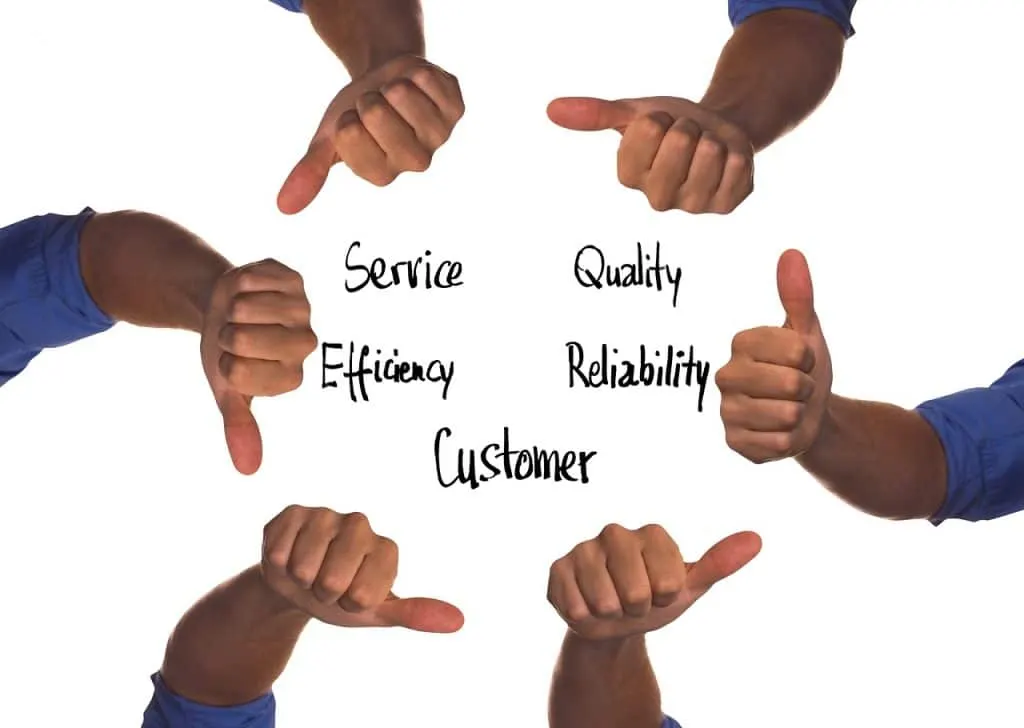
Easy access to information and autonomous request management.
It is therefore imperative for businesses to leverage technological innovations to remain competitive. By integrating AI tools and ensuring that human support teams are well-trained, companies can ensure a seamless and satisfying customer experience.
https://www.youtube.com/watch?v=g9aPXfIi3yM
In Conclusion The situation presents a challenge, but also an invaluable opportunity. By focusing on self-help while maintaining access to human representatives, businesses can deliver a customer experience that is both efficient and personalized. By adequately addressing their customers’ needs, they not only prevent the loss of a third of their customer base, but also gain their trust and loyalty for years to come.
Read next
 Business
A 28-year-old entrepreneur plans to raise coffee prices by 25% because of Trump’s tariffs: ‘It’s hard for every business owner’
In the current post-presidential election climate in the United States, a young and dynamic 28-year-old entrepreneur, He
 Business
The University of Utah is expanding its Master of Business Administration program to Europe, its third continental location.
The University of Utah’s Master of Business Administration (MBA) expands to Europe In 2026, the University of Utah annou
 Business
Tariff impact: Unexpected shock for Colorado business leaders, who have the third-worst outlook in 23 years
Colorado’s economy is going through a tumultuous period, marked by a major tariff shock that has caught many business le
 Business
Brookfield Business Partners LP (BBU) Third Quarter 2024 Earnings Call Highlights: Strong Financial Performance
Brookfield Business Partners LP demonstrated strong financial performance in the third quarter of 2024, driven by a nota